
Trip facts
Travel from Huaraz through the spectacular highlands of Ancash to discover one of the most important archaeological and cultural treasures of the Peruvian Andes.
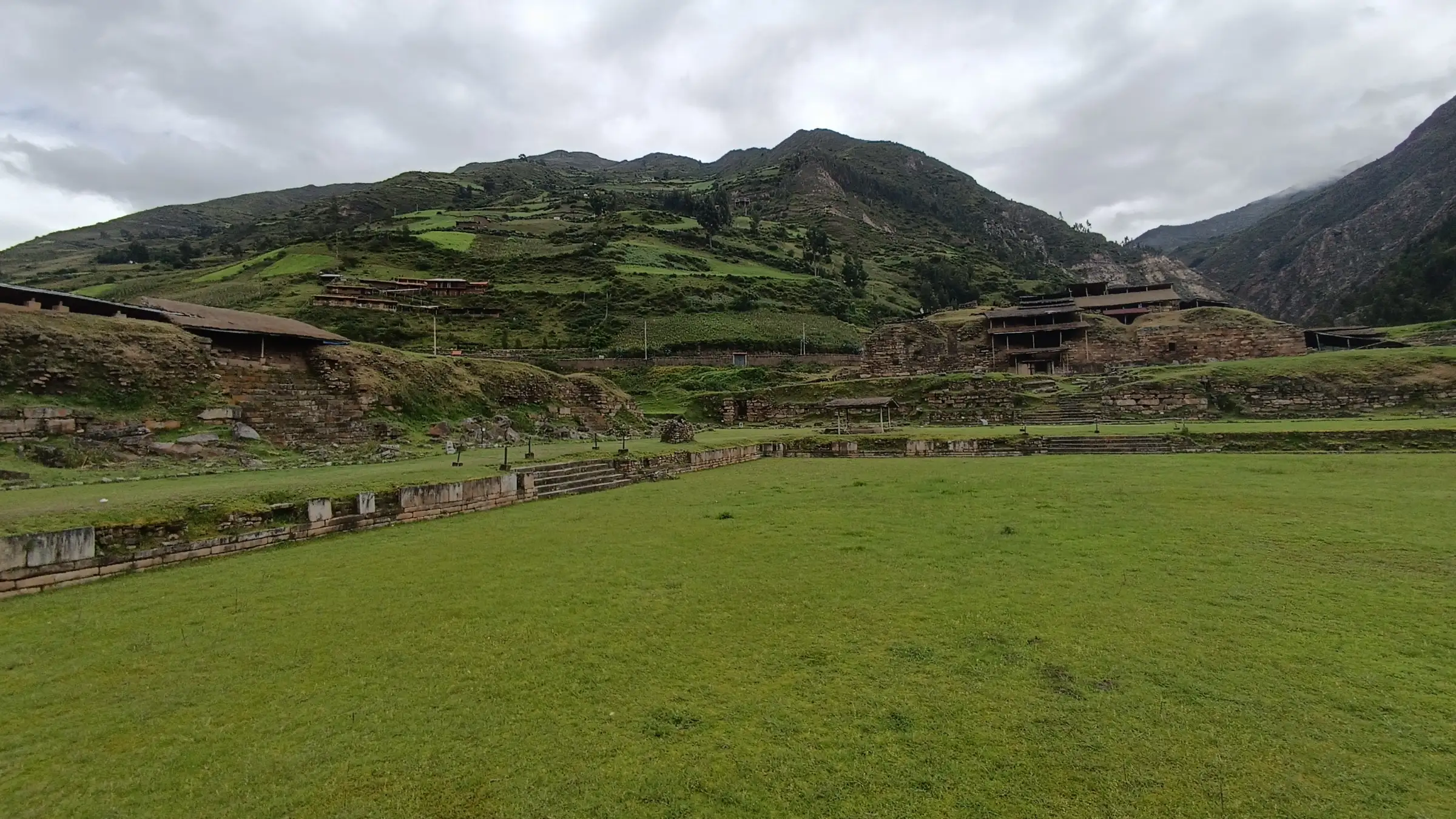
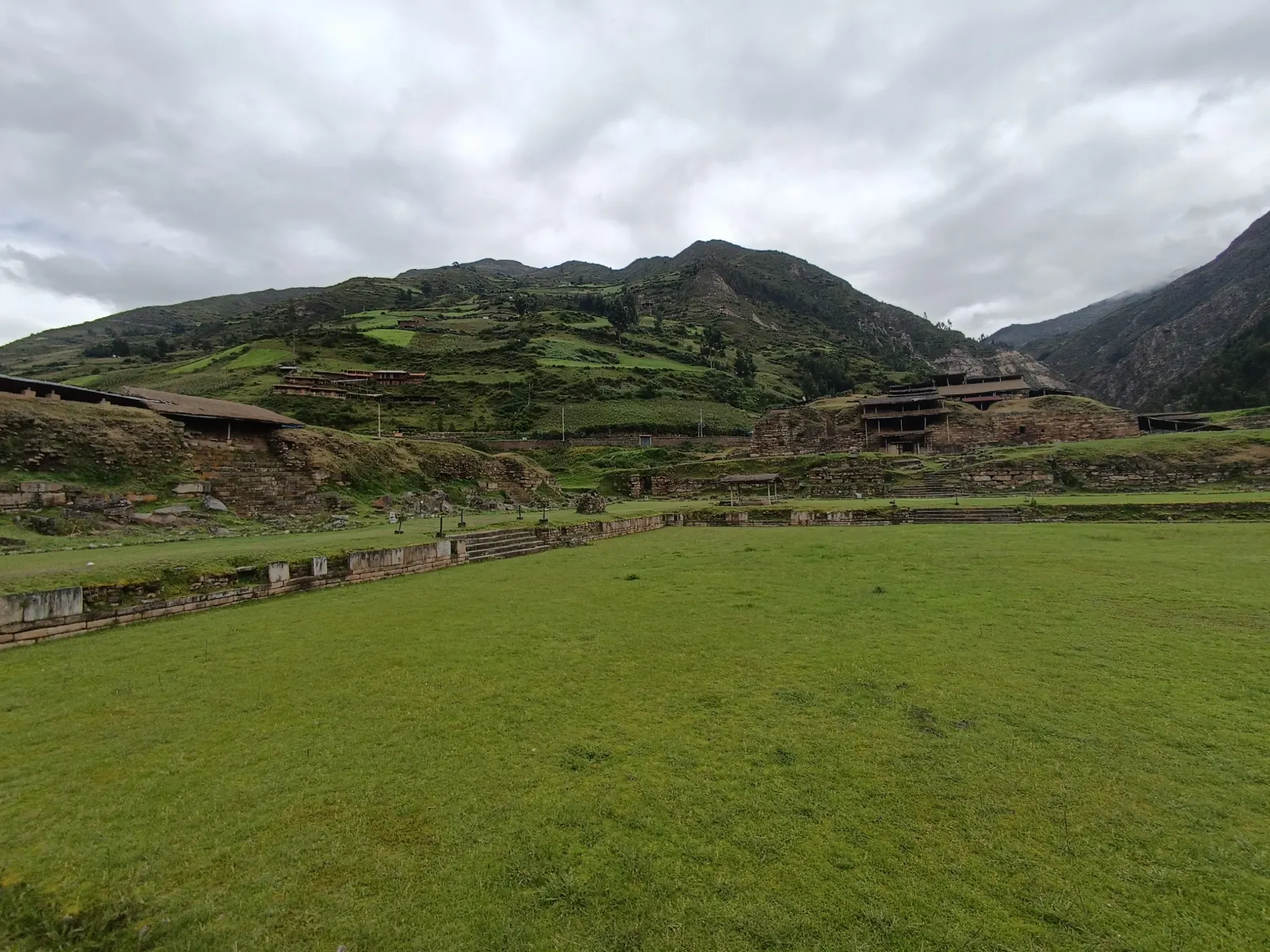
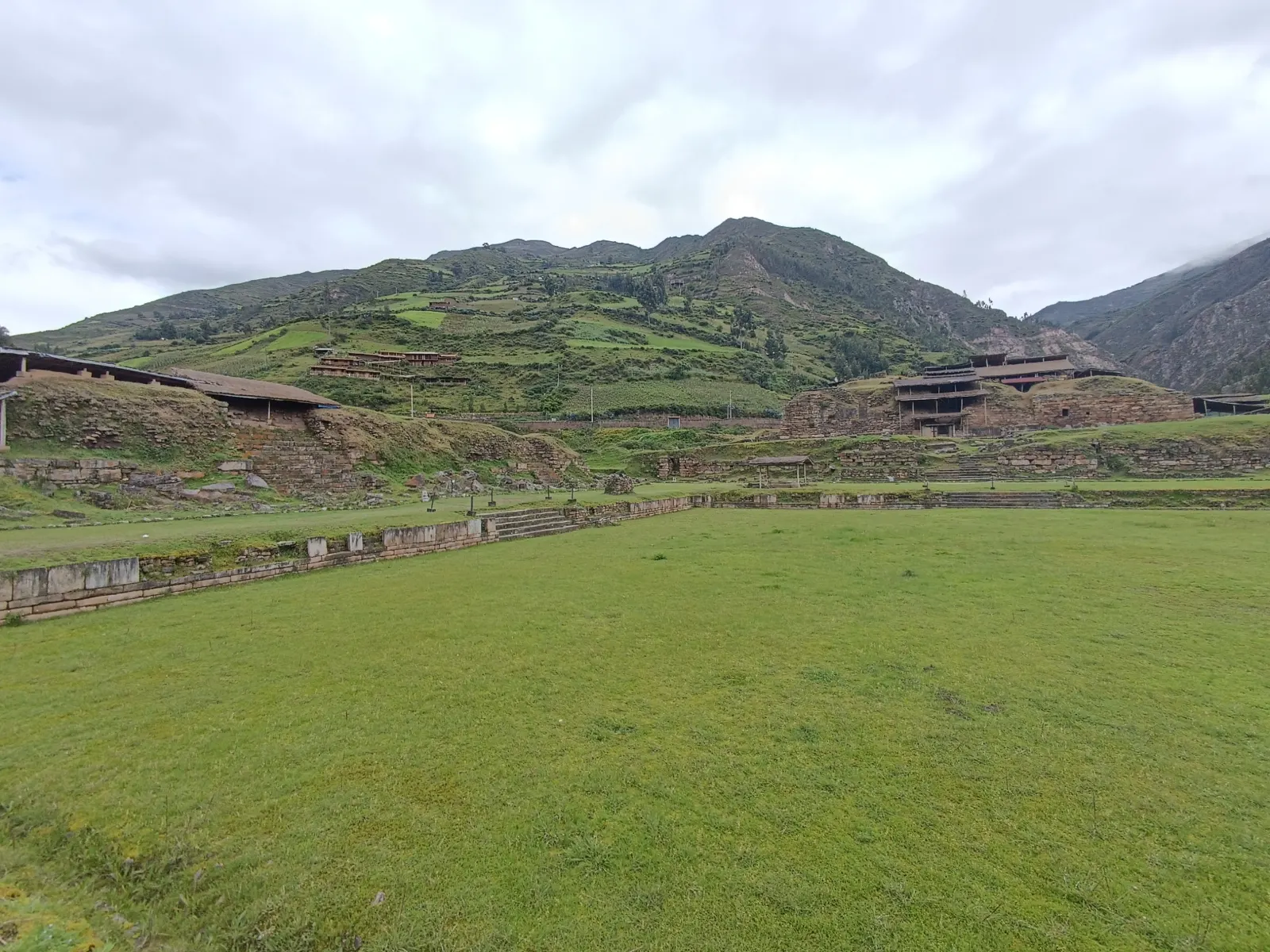
The Archaeological Monument of Chavín de Huántar was the ceremonial and pilgrimage center of the Chavín culture, which developed between approximately 1500 and 300 BC. The site is recognized by UNESCO as a World Heritage Site and is famous for its monumental stone architecture, plazas, carved sculptures and complex underground galleries.
During this full-day cultural experience, we visit both the archaeological complex and the National Chavín Museum, allowing you to understand the site not only through its architecture, but also through the sculptures, symbolism and archaeological discoveries associated with the Chavín civilization.
This is an ideal experience for travelers who want to combine the spectacular landscapes of the Andes with the history and cultural heritage of ancient Peru.
Why this trip
About the mountain
What you'll experience
Chavín de Huántar Archaeological Complex
One of the most important pre-Columbian ceremonial centers in the Peruvian Andes.
Monumental Plazas
Large ceremonial spaces surrounded by impressive stone architecture.
Underground Galleries
A sophisticated network of internal passages that demonstrates the advanced architectural and engineering knowledge of the Chavín civilization.
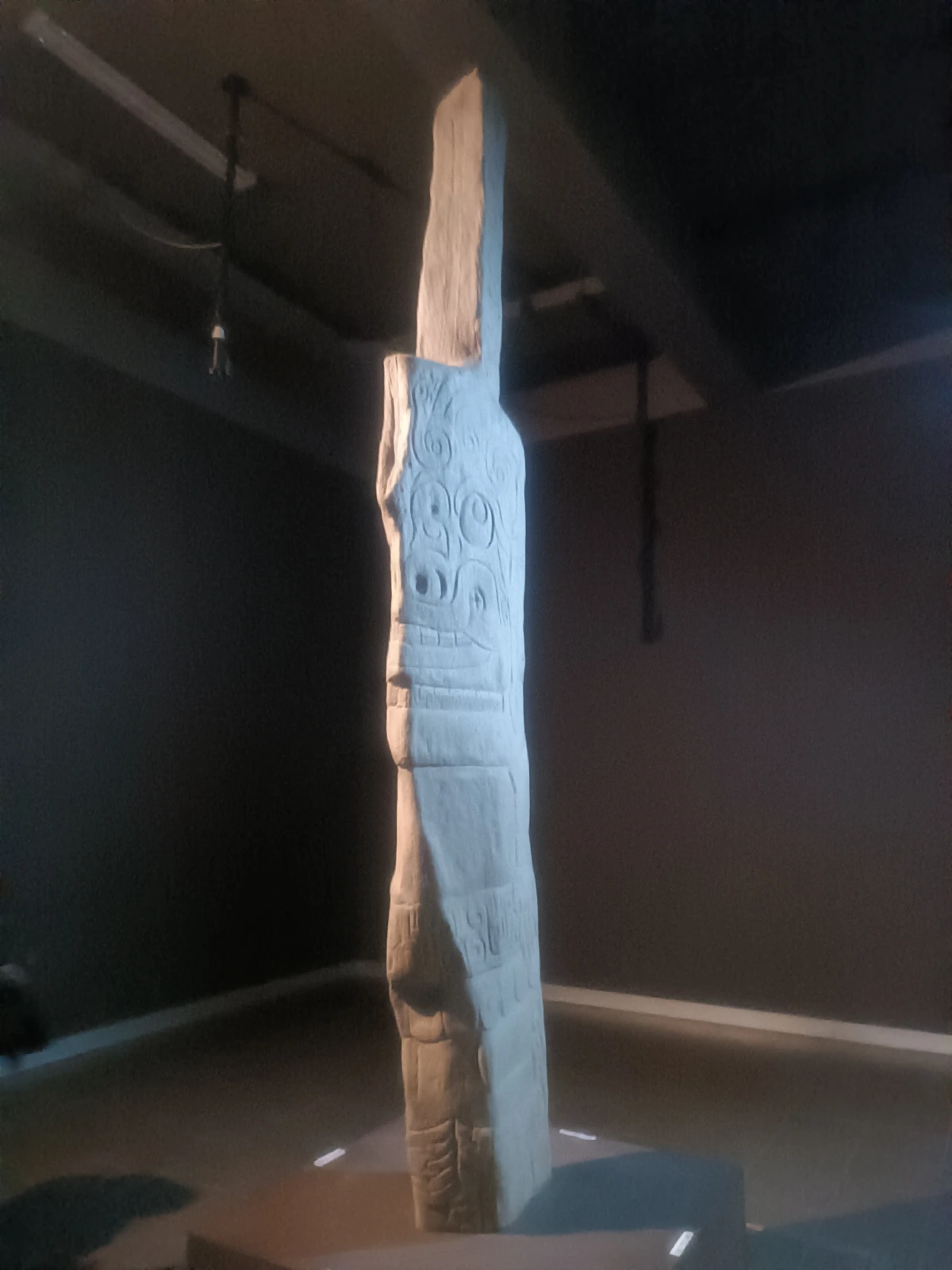
Carved Stone Art
The Chavín civilization is especially recognized for its distinctive zoomorphic and symbolic stone sculptures.
Chavín Town
A traditional Andean town surrounded by the mountains of the Conchucos Valley.
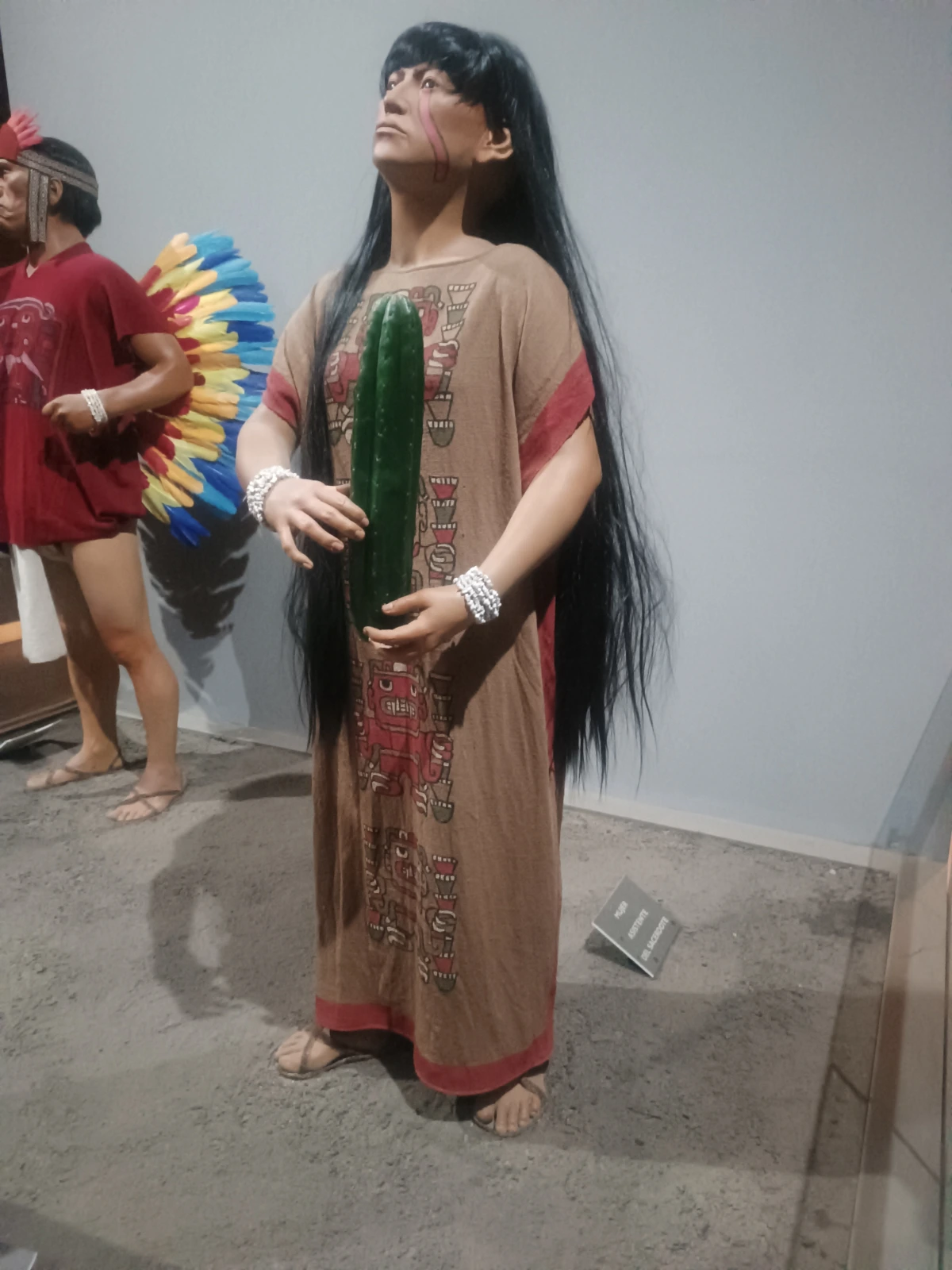
National Chavín Museum
An important collection that helps visitors understand the archaeological discoveries and artistic traditions associated with Chavín.
A Journey Through Ancient Andean Culture
Chavín de Huántar is much more than an archaeological site.
It was a place where people from different parts of the ancient Andes came together for religious ceremonies, pilgrimage and cultural exchange. UNESCO describes Chavín as an important center of ideological, cultural and religious convergence.
Visiting the site with a knowledgeable local guide allows you to understand the landscape, architecture and symbolism as part of a much larger Andean cultural tradition.
Photo gallery
1 / 4