
Trip facts
Why this trip
About the mountain
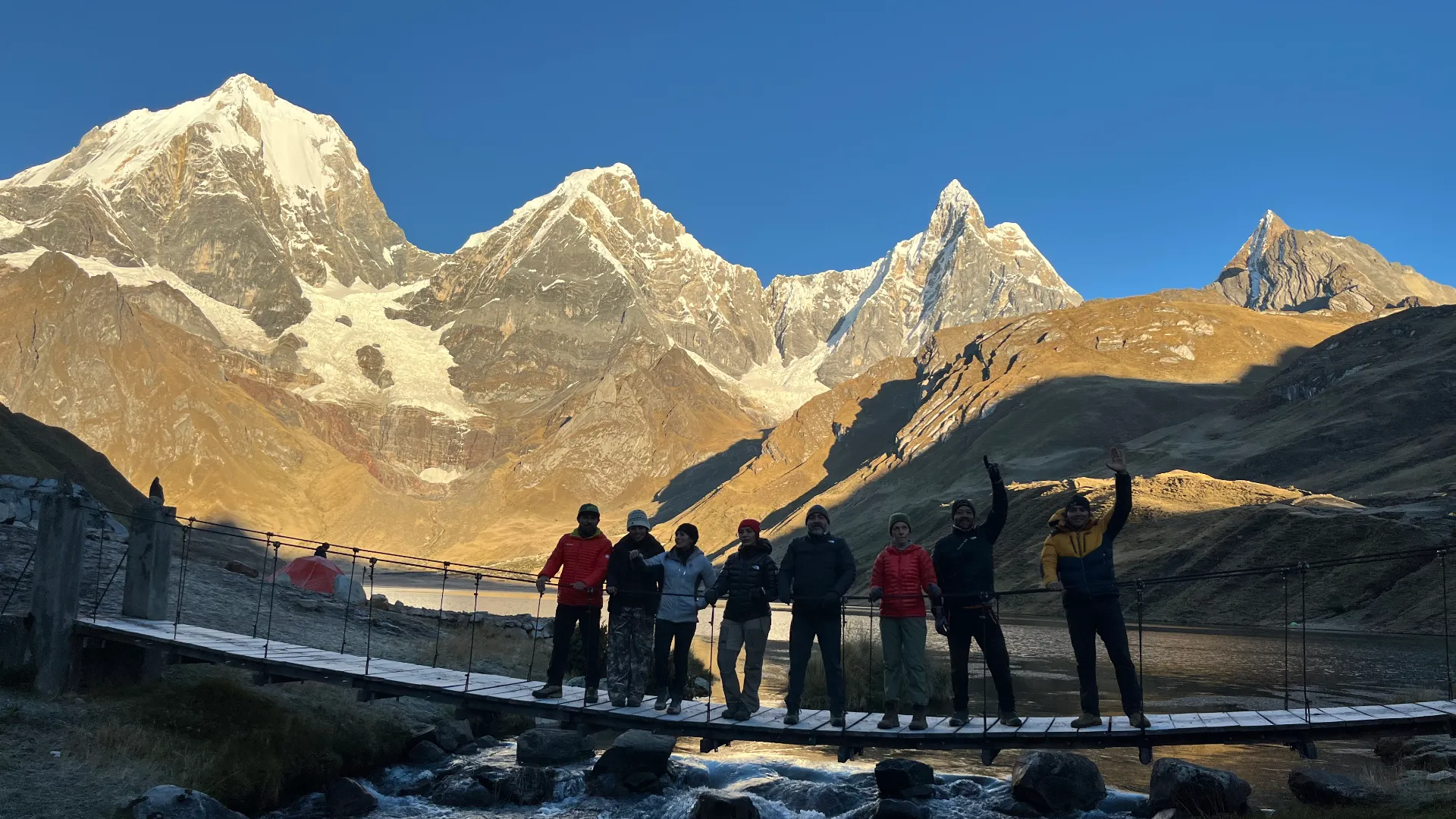
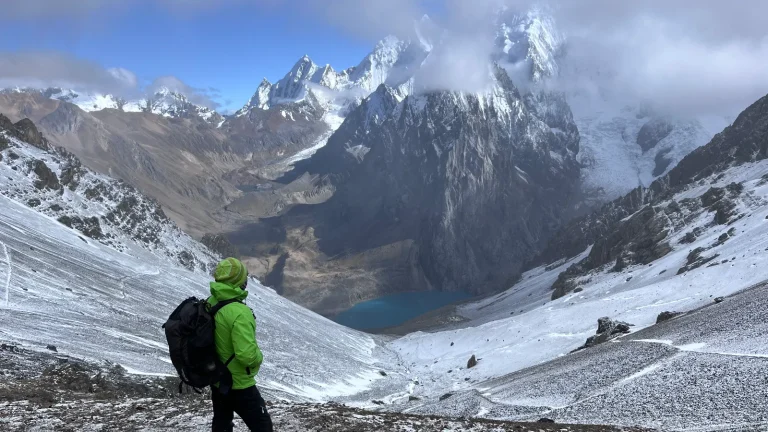
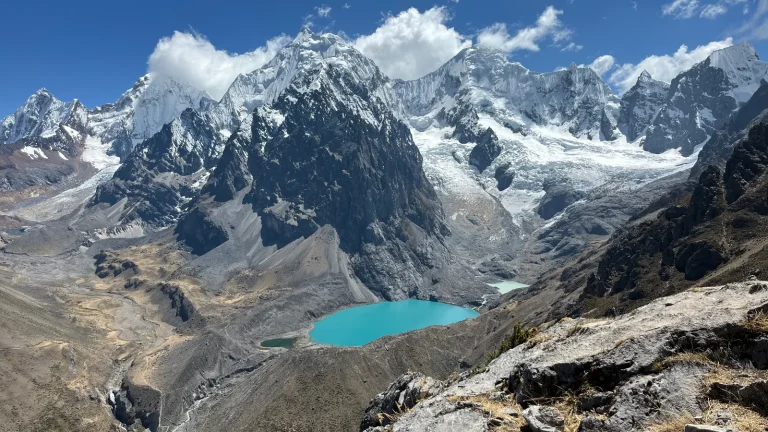
Nevado Urus and Nevado Ishinca are located in the beautiful Ishinca Valley, one of the classic mountaineering areas of the Cordillera Blanca.
This program provides a natural progression:
Callejón de Huaylas → Andean valley → Queñual forest → Base Camp → Glacier → Summit
One of the great advantages of this area is that several mountains can be accessed from the same Base Camp, making it an excellent location for introductory and progressive mountaineering programs.
What you'll experience
Photo gallery
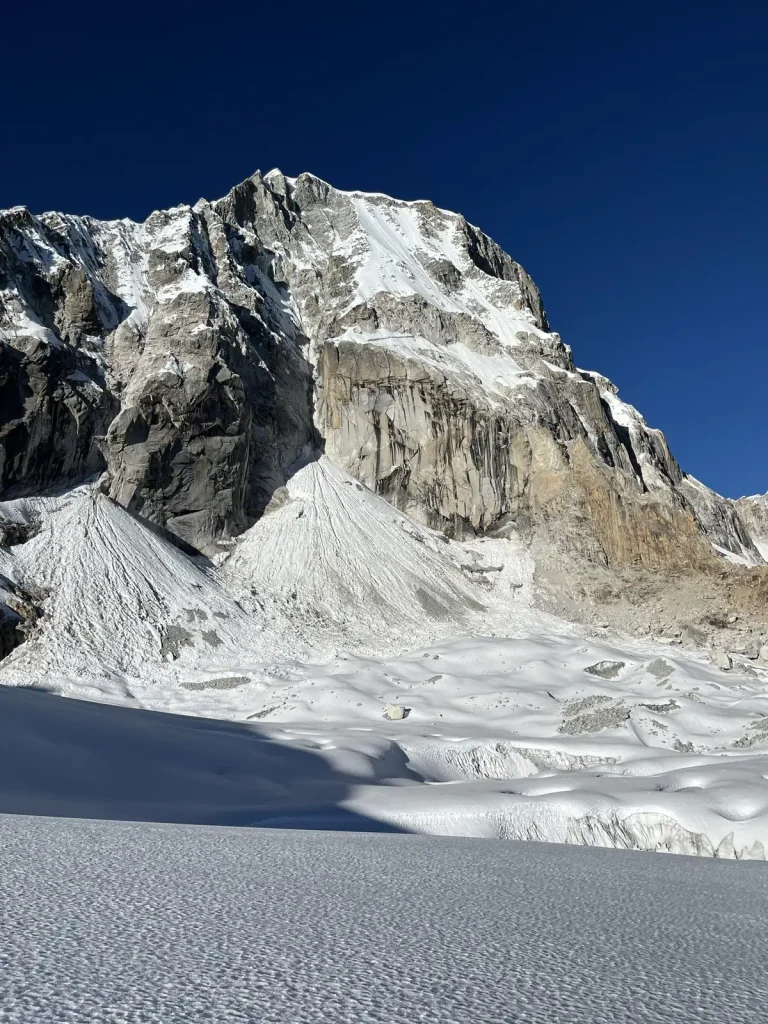
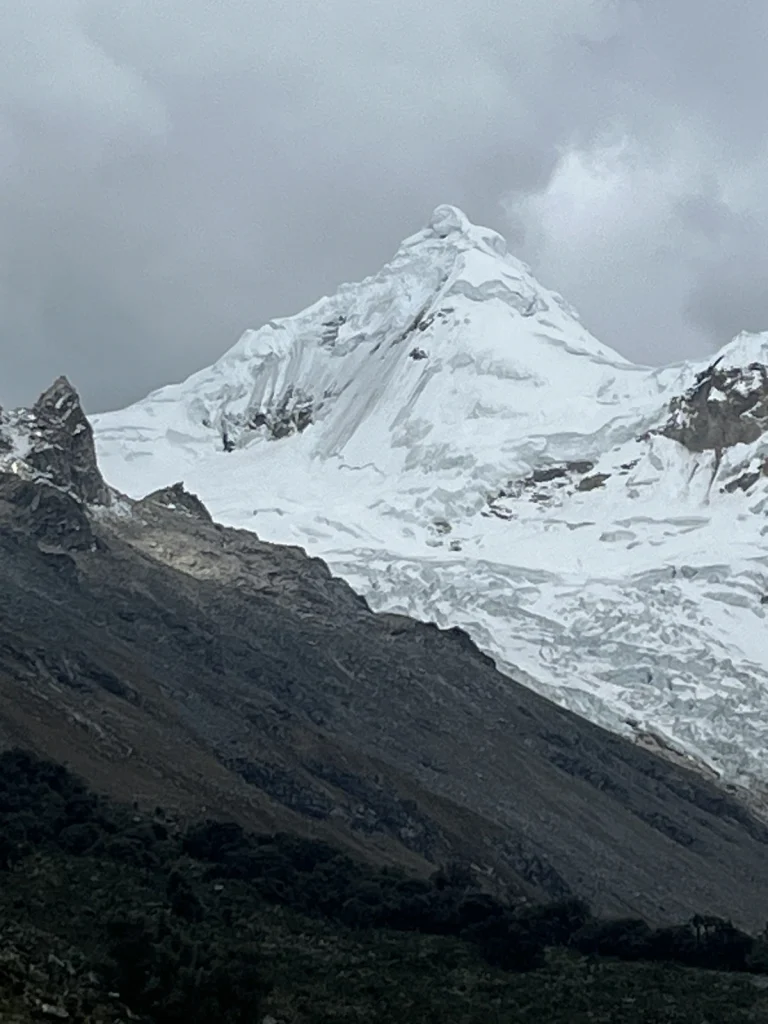
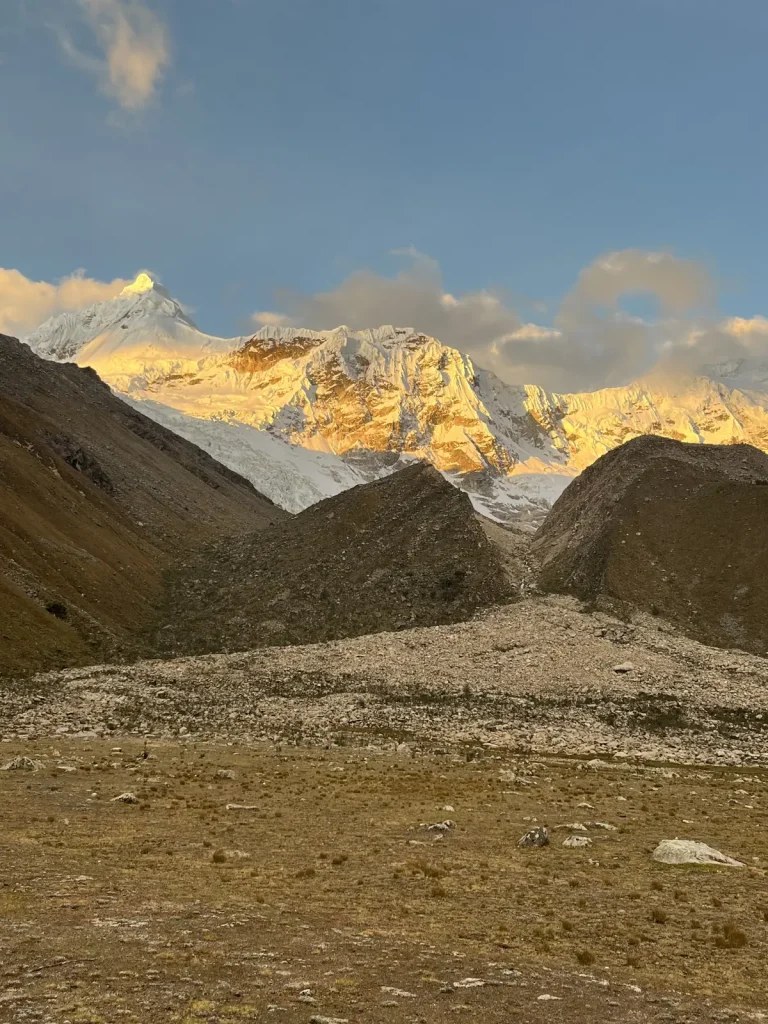
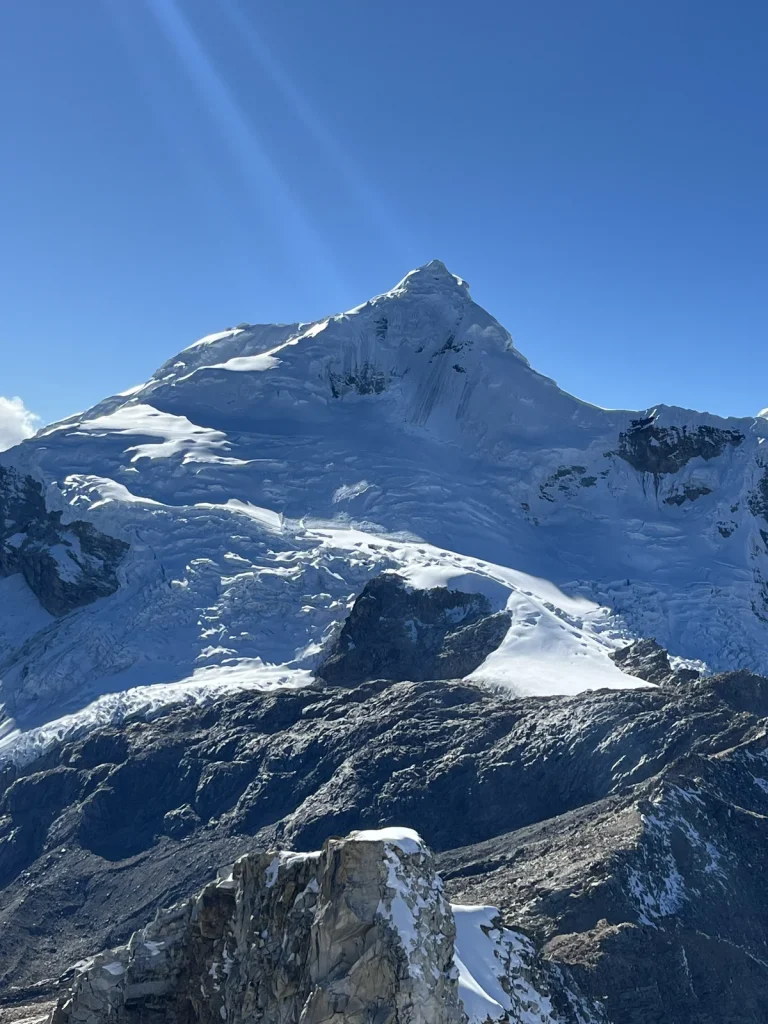
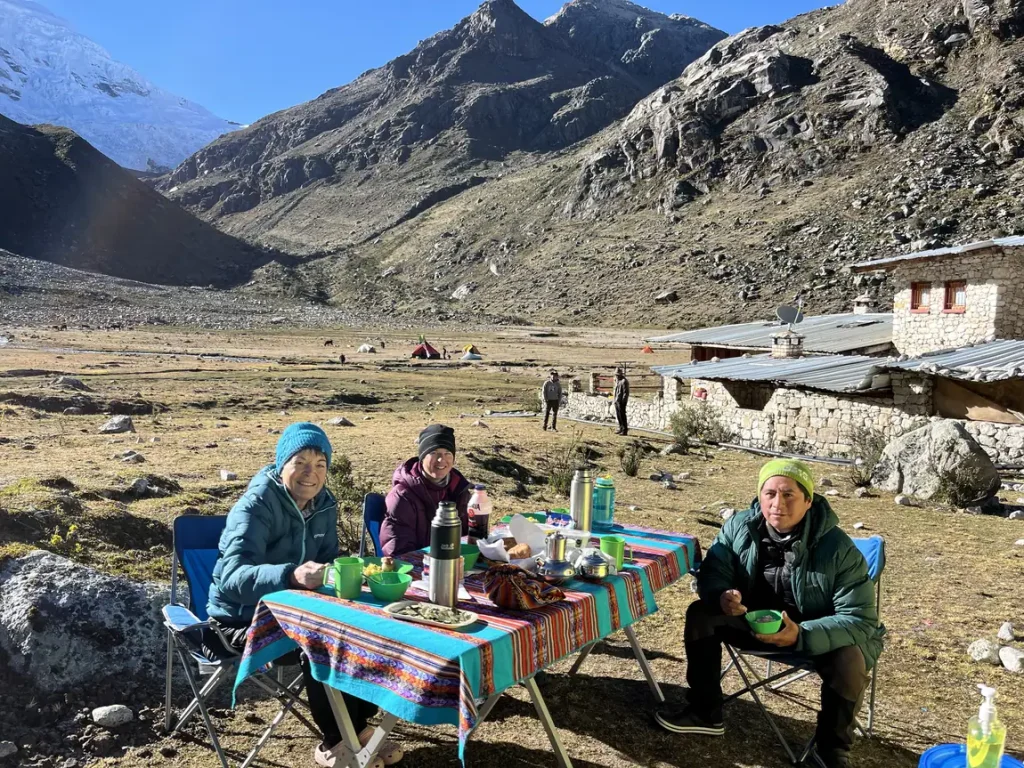
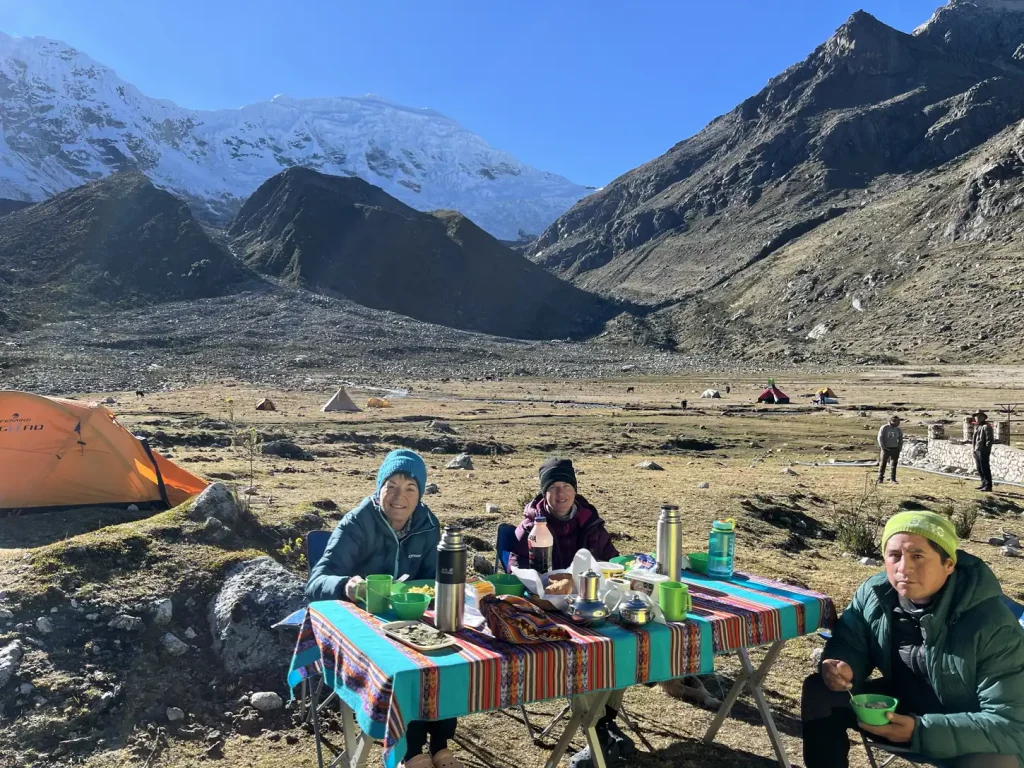
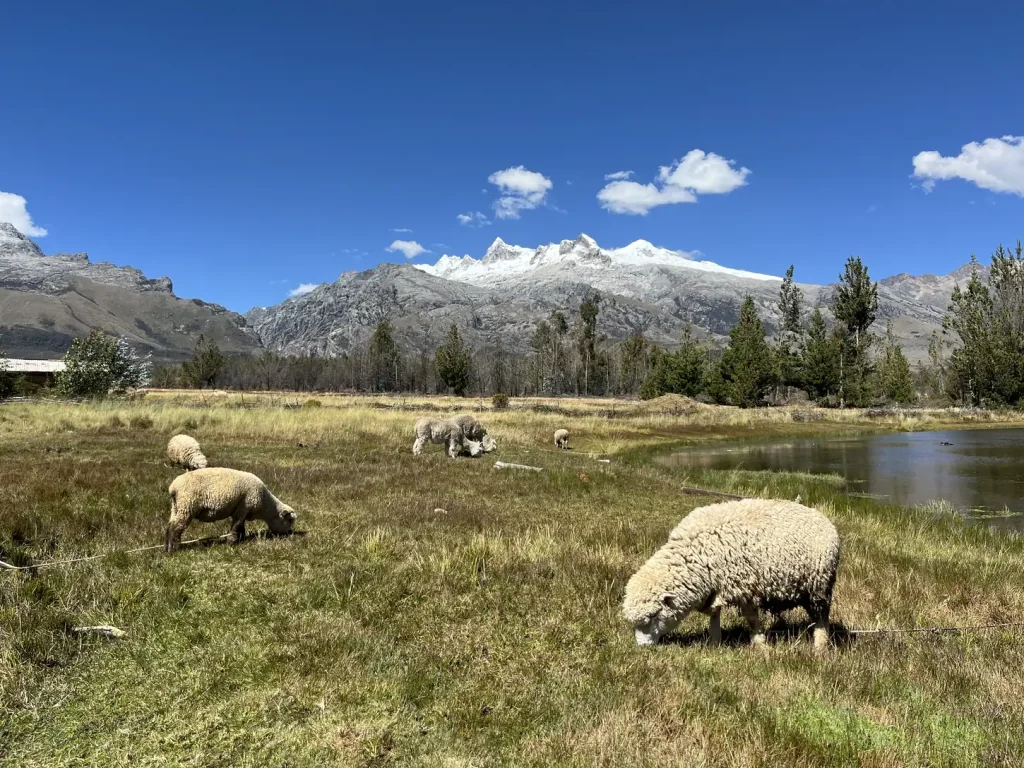
1 / 8
Day by day
-
Day 01 Huaraz – Paltay – Pashpa / Cochapampa – Ishinca Base Camp
Approximately 5–6 hours of hiking.
We leave Huaraz heading north for approximately 18 km toward Paltay and then continue east toward Pashpa – Cochapampa.
Here, our local muleteers and pack animals will be waiting to transport the main expedition equipment to Base Camp.
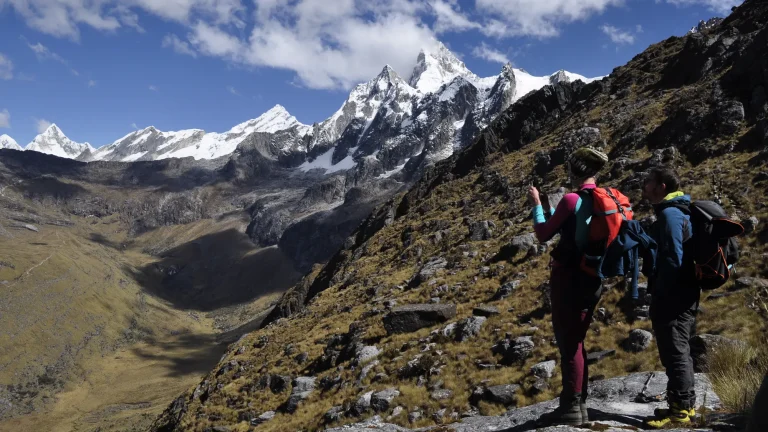
We begin walking through the Ishinca Valley.
During the approach we pass through beautiful Polylepis / Queñual forests and high-Andean vegetation.
As we progressively gain altitude, the landscape changes until we enter the high-mountain environment.
Arrival at Ishinca Base Camp, approximately 4,350 m.
Dinner and overnight at camp.
-
Day 02 Base Camp – Urus Summit – Base Camp
Approximately 10–12 hours of ascent and descent.
Departure at approximately 2:00 a.m.
After a light breakfast, we begin ascending through a trail that gradually gains altitude with several zigzag sections.
We take appropriate breaks according to the group's needs.
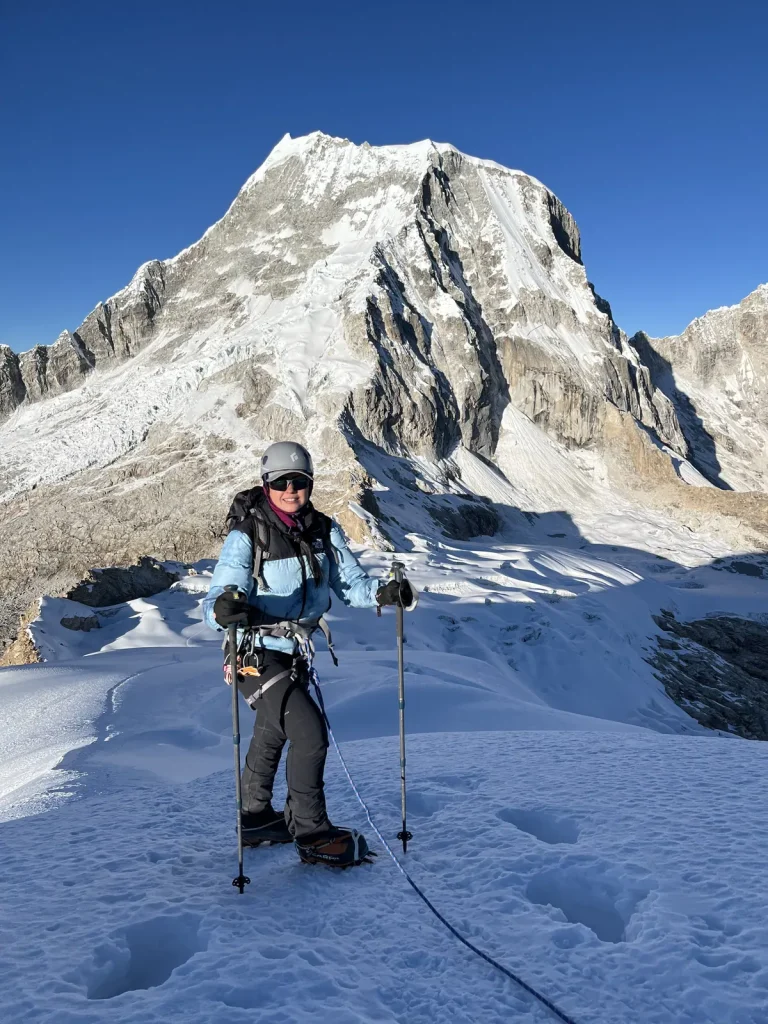
Once we reach the glacier area, we put on the necessary technical equipment and continue toward the summit.
Depending on current conditions, the route may involve snow, ice, rocky terrain, crampon use, ice-axe technique and rope travel.
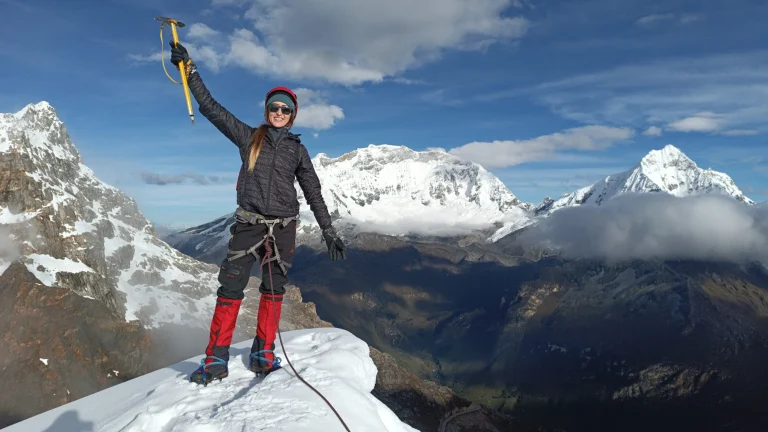
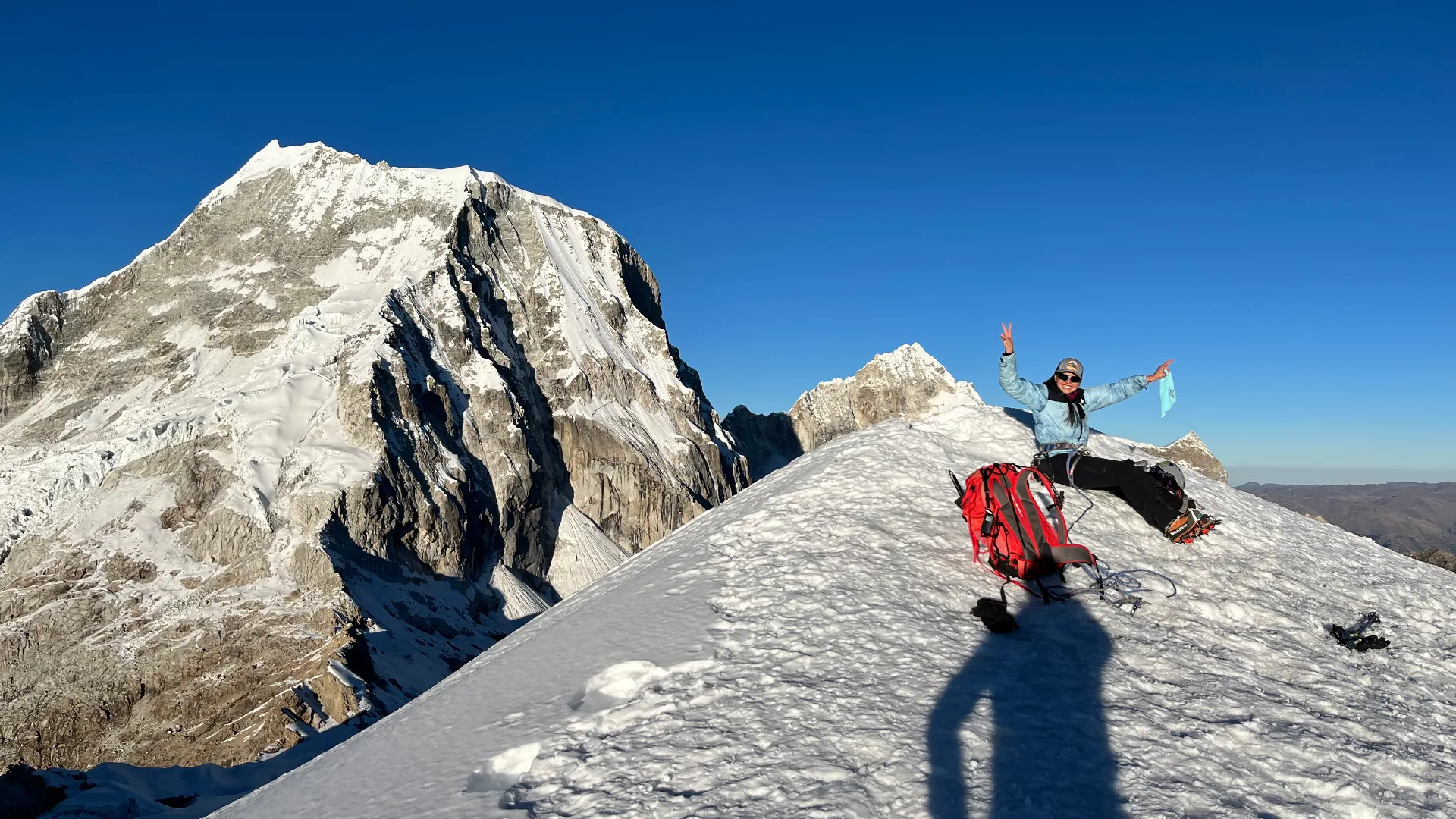
At the Urus summit, 5,495 m, we can enjoy spectacular views of the mountains and valleys of the Cordillera Blanca.
After spending appropriate time at the summit, we descend by the same route to Base Camp.
Dinner and overnight.
-
Day 03 Base Camp – Ishinca Summit – Base Camp
Approximately 10–12 hours of ascent and descent.
Departure at approximately 2:00 a.m.
We begin climbing progressively, taking breaks according to the group's pace and physical condition.
After reaching the glacier, we put on the technical equipment and continue toward the Ishinca summit.
Depending on conditions, the route may include snow, ice, small crevasses and different slopes.
At the Ishinca summit, 5,530 m, we enjoy spectacular panoramic views of the great peaks of the Cordillera Blanca.
Completing two summits during the same expedition provides an excellent opportunity to gain confidence and experience in a high-mountain environment.
We then descend to Base Camp.
Dinner and overnight.
-
Day 04 Base Camp – Pashpa / Cochapampa – Huaraz
Approximately 3–4 hours of descent.
After breakfast, we begin our descent through the Ishinca Valley.
We once again pass through the beautiful Queñual forests and high-Andean vegetation.
At Pashpa – Cochapampa, our pack animals and local muleteers will be waiting to support the return of the expedition logistics.
Our private transportation will then take us back to Huaraz.
Transfer to the hotel.
End of our services.
Price & group size
| Group size | Price per person |
|---|---|
| 1 person | US$ 1,550 |
| 2 people | US$ 950 |
| 3 people | US$ 720 |
Complete 4-Day Program
The price will be established according to the number of participants and the required expedition logistics.
More than 4 people: Contact PGA for a personalized quotation.
We normally work with 3 clients + 1 guide on introductory mountains, always subject to the guide's professional assessment and current mountain conditions.
Departure dates
Booking & payment
What's included
Mountain & Expedition Crew
- Professional, highly trained mountain guide
- Mountain cook
- Local muleteers
- Pack animals
- Support staff according to group size
- Complete expedition logistics organization
Pack-Animal Transport
- Pashpa – Base Camp logistics
- Base Camp – Pashpa return logistics
- Camping equipment transport
- Food transport
- Collective equipment transport
Transportation
- Private transportation Huaraz – Pashpa/Cochapampa
- Private transportation Pashpa/Cochapampa – Huaraz
- Transfers related to the itinerary
Camping
- Mountain tents
- Dining tent according to group size
- Kitchen equipment
- Tables and chairs according to logistics
- Bathroom tent when operationally possible
- Collective mountain equipment
Food
- Breakfasts
- Lunches / box lunches
- Tea time
- Dinners
- Treated or boiled drinking water
- Hot water for hygiene when operationally possible
Safety & Communication
- Basic first-aid kit
- Supplemental oxygen
- GPS
- Garmin inReach
- Emergency communication
- Collective safety equipment
Not included
- Huascarán National Park entrance fee
- Personal drinks
- Food in Huaraz
- Accommodation in Huaraz
- Sleeping bag
- Sleeping mat
- Personal technical equipment
- Personal clothing
- Personal medication
- Accident insurance
- Rescue and evacuation insurance
- Rescue or evacuation costs
- Tips
- Any service not specifically listed in the included section
Optional services
Luggage allowance
What to bring
Participants should bring clothing and equipment appropriate for high-altitude mountaineering.
Head
- Warm hat
- Glacier sunglasses
- Additional sunglasses
- Headlamp
- Sun hat or cap
Torso
- Thermal base layer
- Fleece or softshell second layer
- Waterproof and breathable shell
- Down or synthetic insulated jacket
Legs
- Thermal socks
- Extra socks
- Base layer
- Trekking pants
- Waterproof pants
- Appropriate mountaineering boots
- Lightweight camp footwear
Hands
- Thin gloves
- Mountaineering gloves
- Waterproof gloves
- Warm mittens
Sleeping
- High-altitude sleeping bag
- Recommended comfort rating approximately -10°C to -15°C
- Insulated sleeping mat
Personal technical equipment
- 30–40 L backpack
- Harness
- Carabiners
- Ice axe
- 12-point crampons
- Helmet
- Trekking poles
- Mountaineering boots
All personal technical equipment must be checked by the guide before the activity.
Other Personal Equipment
- 1–1.2 L water bottle
- 1 L insulated bottle / thermos
- SPF 30+ sunscreen
- Lip protection
- Power bank
- Camera
- Personal medication
- Personal hygiene items
Who is it for
Urus + Ishinca: an Introductory Mountaineering Experience
This program is designed especially for people who want to take their first steps into high-altitude mountaineering.
Completing Urus and Ishinca in the same program provides an opportunity to progressively learn:
- Approach hiking
- High-altitude camping
- Crampon technique
- Ice-axe technique
- Snow and glacier travel
- Basic rope travel
- Glacier safety
- Mountain equipment management
- High-altitude ascent and descent
- Expedition organization
Previous mountaineering experience is not essential, but participants should have good physical condition, appropriate acclimatization and a willingness to learn.
The guide will evaluate each participant's experience, physical condition and acclimatization.
Preparation & acclimatization
Although Urus and Ishinca are considered introductory objectives, both summits are above 5,400 meters.
We recommend:
- Long-distance hiking
- Cardiovascular training
- Progressive uphill training
- Leg strengthening
- Good hydration
- Proper nutrition
- Previous altitude experience whenever possible
Acclimatization is essential.
Clients arriving from low elevations should consider spending several days in Huaraz before beginning the program.
PGA can recommend acclimatization activities according to each participant's experience and physical condition.
Season
The season may vary according to conditions each year.
The final route and summit attempt depend on:
Weather · Snow · Ice · Glacier conditions · Wind · Acclimatization · Group safety
Important information
Frequently asked questions
How long is the Urus and Ishinca Climb program, and what is its highest point?
The current PGA listing shows 4 days & 3 nights and a maximum altitude of 5,530 m / 18,143 ft. The displayed difficulty is Moderate–Difficult. Please check the itinerary on this page for the day-by-day schedule.
What is distinctive about the Urus and Ishinca Climb?
A four-day program combining the Urus and Ishinca objectives.
What experience or preparation should I have?
This itinerary combines two mountain objectives. Ask PGA to confirm the order of ascents, rest and acclimatization plan, technical prerequisites and gear list.
What is included, and what should I bring?
The exact inclusions depend on the service level and departure shown on this page. Please ask PGA for the current written inclusions and packing list before booking. For a mountaineering program, confirm which personal and technical equipment is supplied and which items you must bring.
The PGA experience
At Peruvian Global Adventures, we believe an introductory mountain should also be an opportunity to learn.
Our service is not simply about taking clients to a summit.
We want participants to understand the mountain, become familiar with their equipment and gain experience for future objectives.
Professional Mountain Guide
The expedition is led by a professional mountain guide who is highly trained, experienced and professionally prepared to work in the Cordillera Blanca.
The guide is responsible for:
- Evaluating mountain conditions
- Managing the group pace
- Checking equipment
- Managing risks
- Making decisions during the ascent
- Teaching basic mountaineering techniques
- Prioritizing safety
Mountain Cook
Our mountain cook is trained to work in mountain camps and prepare appropriate food for high-altitude activities.
Muleteers & Pack Animals
This program does not use porters.
All expedition logistics between Pashpa – Cochapampa and Base Camp are transported by local pack animals accompanied by muleteers.
They transport:
- Tents
- Food
- Kitchen equipment
- Collective equipment
- Camping equipment
- Other expedition supplies
This allows clients to carry mainly their personal equipment for each stage.
Why Climb Urus + Ishinca with PGA?
Because this program can become the beginning of a real mountaineering story.
Two mountains.
Two summit experiences.
One Base Camp.
And an opportunity to progressively learn how to move through snow, glaciers and high-altitude terrain.
Our team is made up of highly trained, experienced and professionally prepared mountain personnel with real experience in the Cordillera Blanca.
From the mountain guide to the cook, muleteer and support staff, every member has an important role in making the expedition safe, organized and enjoyable.
Our experience has been built in the mountains, not simply in an office.
Logistics
One of the advantages of this program is that no porters are used.
From Pashpa – Cochapampa to Base Camp, the expedition logistics are transported by pack animals and local muleteers.
The animals transport:
- Tents
- Food
- Kitchen equipment
- Camping equipment
- Collective mountain equipment
- Other expedition supplies
This allows participants to concentrate their effort mainly on hiking, acclimatizing and preparing for the two summits.
Food
Meals are prepared by our mountain cooking staff.
Breakfast
May include:
- Oatmeal
- Quinoa
- Eggs
- Omelettes
- Bread
- Coffee
- Herbal tea
- Hot chocolate
- Fruit
Lunch / Box Lunch
May include:
- Pasta
- Sandwiches
- Fruit
- Chocolate
- Energy bars
- Nuts
- Other energy foods
Tea Time
- Tea
- Coffee
- Herbal infusions
- Biscuits
- Popcorn
- Snacks
Dinner
Soup + main course + dessert
Possible dishes include:
- Pasta
- Chicken
- Trout
- Lomo
- Quinotto
- Peruvian mountain dishes
Hydration
- Treated or boiled drinking water
- Hot water for personal hygiene when operationally possible
Vegetarian, vegan, gluten-free and allergy-related requirements can be accommodated with advance notice.
Safety
Safety is our priority.
The guide continuously evaluates:
- Weather
- Wind
- Temperature
- Glacier conditions
- Crevasses
- Snow
- Route conditions
- Acclimatization
- Fatigue
- Physical condition
- Group pace
We carry:
- Professional mountain guide
- First-aid kit
- Supplemental oxygen
- GPS
- Garmin inReach
- Collective safety equipment
- Rope and technical equipment according to conditions
- Emergency communication
PGA Golden Rule
THE SUMMIT IS OPTIONAL.
RETURNING SAFELY IS MANDATORY.
If mountain conditions, weather, glacier conditions, acclimatization, fatigue or any other safety factor are not appropriate, the guide may modify or cancel the summit attempt.
That is not failure.
It is responsible mountaineering.
Responsible tourism
At PGA, we work to enjoy and protect the Cordillera Blanca.
Our commitment includes:
- Respecting Huascarán National Park regulations
- Reducing waste
- Avoiding unnecessary plastic
- Carrying our waste out of the mountains
- Respecting local communities
- Working with local mountain personnel
- Protecting natural environments
The mountain gives us an extraordinary experience, and we have a responsibility to protect it.