
Trip facts
A spectacular high-mountain expedition combining a remote trekking approach, the historic landscapes around Jancarurish, technical glacier travel and the ascent of Alpamayo (5,947 m), followed by the descent through Arhuaycocha and the Santa Cruz Valley to Cashapampa.
The expedition enters through the northern side of the Cordillera Blanca, reaches Jancarurish with its spectacular view of the pyramidal face of Alpamayo, continues through the high camps to the summit, and then descends toward the Santa Cruz Valley.
Why this trip
About the mountain
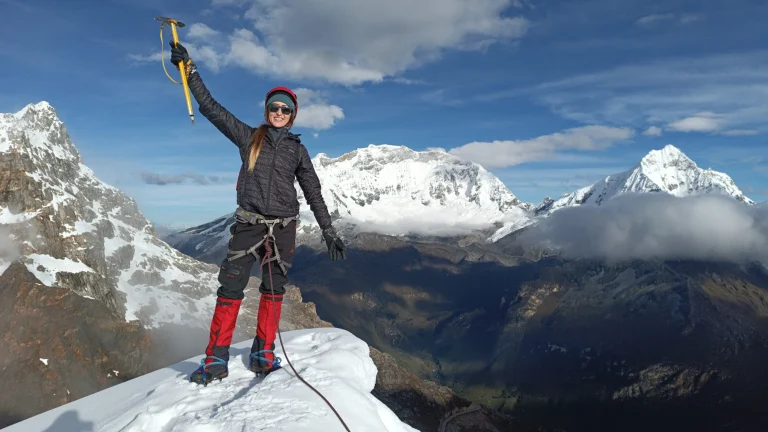
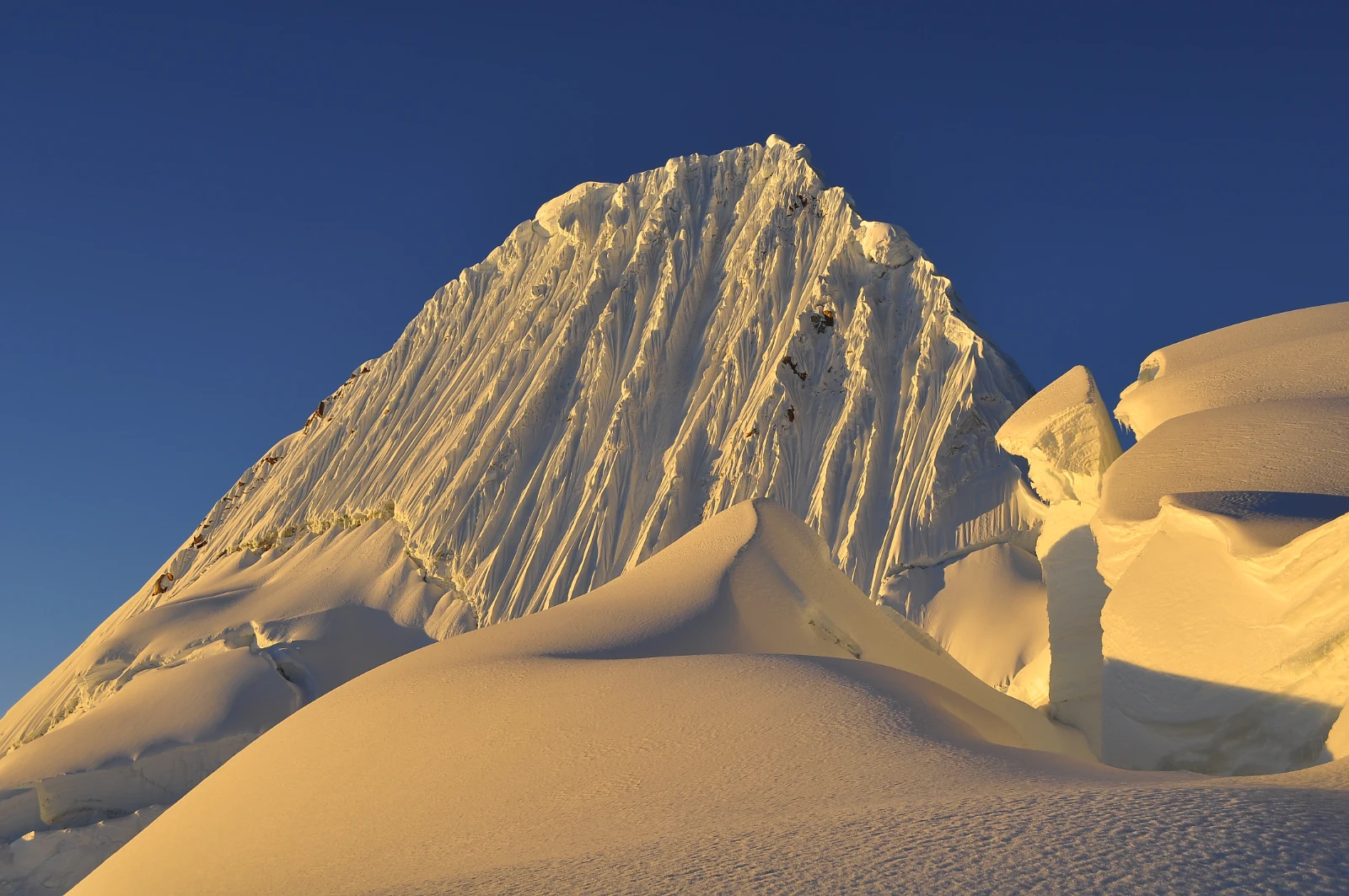
The Nevado Alpamayo, known locally by the Quechua name Shuytu Rahu, is one of the most famous mountains of the Cordillera Blanca.
Located inside Huascarán National Park, it reaches 5,947 m and is internationally recognized for its striking pyramidal form and remarkable symmetry.
Its steep ice walls and technical climbing routes make Alpamayo a serious high-altitude mountaineering objective requiring appropriate technical experience, acclimatization and preparation.
The expedition combines the remote northern approach, the spectacular Jancarurish viewpoint, the high camps, the technical summit ascent and the descent through the traditional Santa Cruz Valley.
What you'll experience
Landscapes
- The spectacular Cañón del Pato area
- The meeting of the Cordillera Blanca and Cordillera Negra
- Azulcocha and Cullicocha
- Santa Cruz mountain views
- Quebrada Los Cedros
- Ruinapampa and its archaeological remains
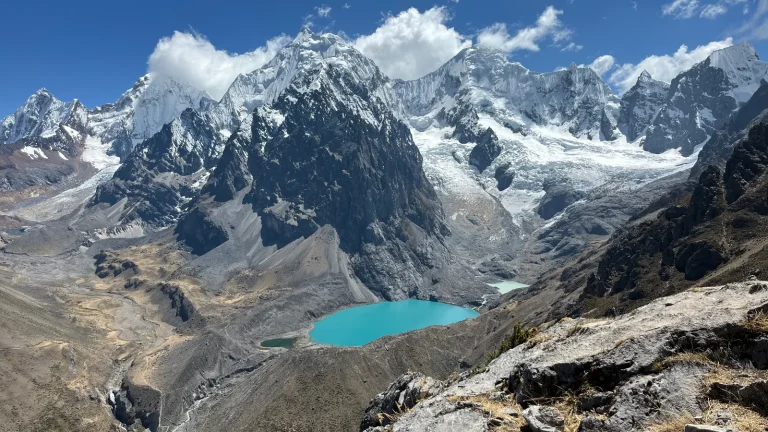
- Jancarurish Lake
- The pyramidal face of Alpamayo
- Quitaraju and surrounding peaks
- Alpamayo high camps
- Arhuaycocha
- Jatuncocha and Ichiccocha
- Santa Cruz Valley
Wildlife & Andean Culture
Depending on conditions, the route offers opportunities to observe:
- Andean condors
- Vizcachas
- Deer
- Trout
- Native Andean vegetation
- Traditional communities and rural landscapes
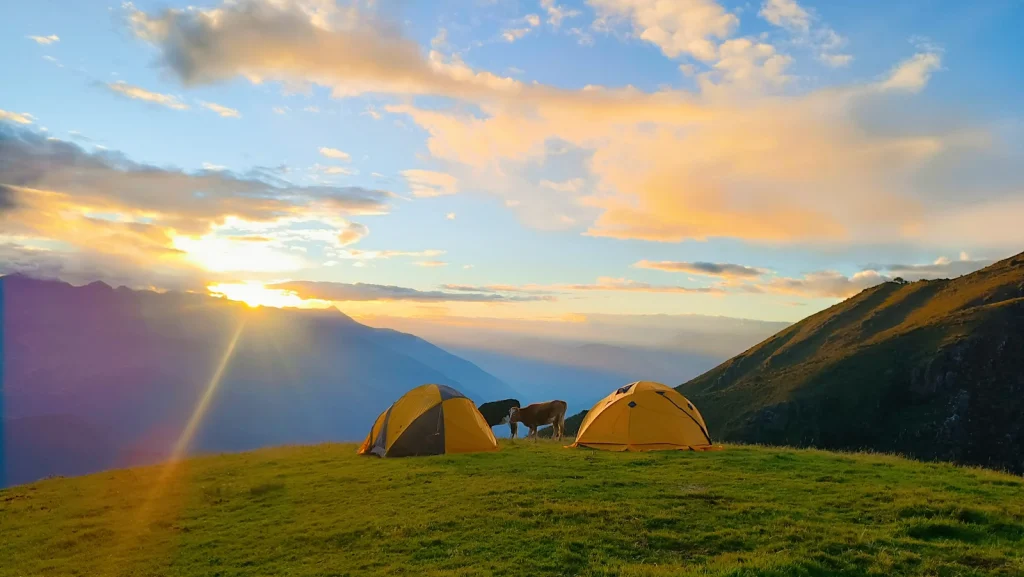
At high camps, clear nights can offer exceptional views of the Andean sky and the Milky Way.
Photo gallery
1 / 8
Day by day
-
Day 01 Huaraz – Caraz – Hualcayan – Huishcash
- Hiking
- 5–6 hours
- Camp
- Huishcash – approximately 4,300 m
Huaraz (3,100 m) – Caraz (2,290 m) – Hualcayan (3,130 m) – Huishcash (4,300 m)
We leave Huaraz and travel north through the Callejón de Huaylas, passing through Carhuaz, Yungay and Caraz.
We continue along the road through the Cañón del Pato and then take the road toward Hualcayan, passing the communities of Colca and Caranca.
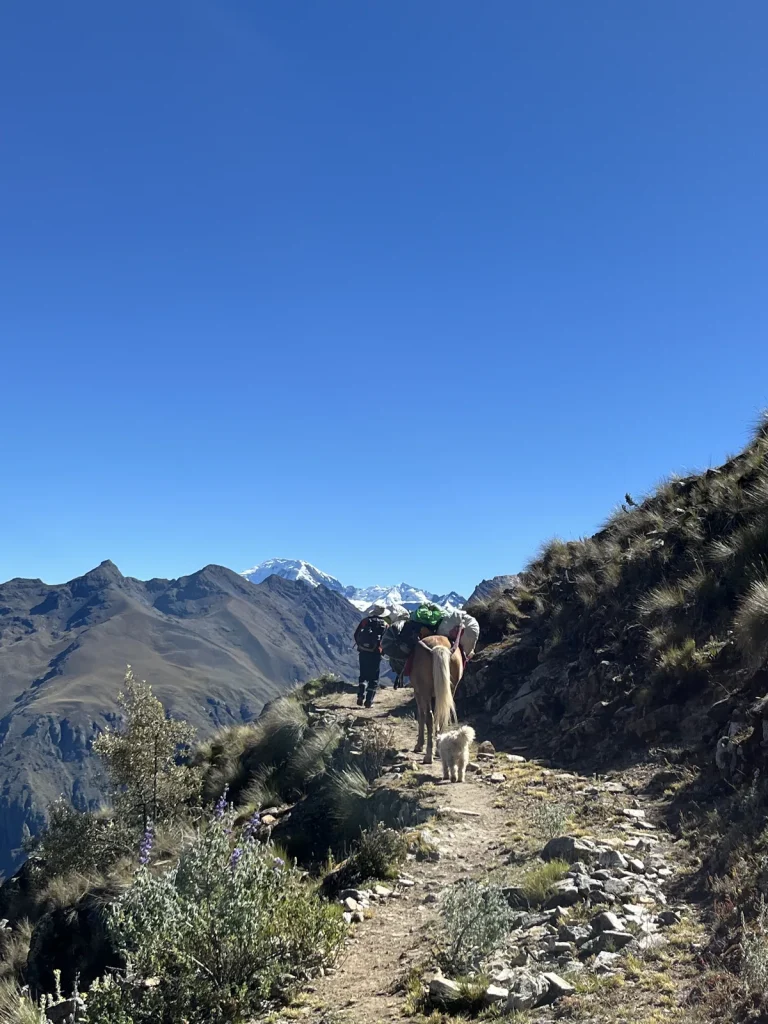
At Hualcayan, our muleteers and pack animals will be waiting to transport the expedition equipment.
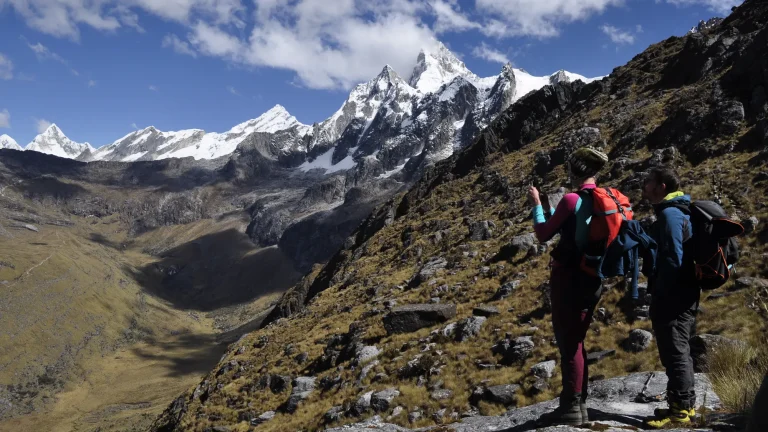
From Hualcayan, the trail begins with a sustained zigzag ascent toward Huishcash. Along the way, we enjoy views of the Huaylas area and the impressive meeting point of the Cordillera Blanca and Cordillera Negra around the Cañón del Pato.
-
Day 02 Huishcash – Paso Cullicocha – Osoruri
- Hiking
- 5–6 hours
Huishcash – Cullicocha Pass (4,850 m) – Osoruri (4,550 m)
After breakfast, we continue toward Cullicocha Lake. Along the route we can observe Yanacocha and Azulcocha Lakes and views toward the Santa Cruz mountains.
We ascend toward the first high pass at approximately 4,850 m, with views of Champara, Milluacocha and Pilanco.
We then descend toward our camp at Osoruri.
-
Day 03 Osoruri – Paso Jatun Vientonan – Jancarurish
- Hiking
- 6–7 hours
- Camp
- Jancarurish – approximately 4,250 m
Osoruri – Jatun Vientonan Pass (4,750 m) – Jancarurish (4,250 m)
After breakfast, we head toward the second high pass.
From the pass, we can appreciate the surrounding peaks of Milluacocha and Pilanco. The descent follows a pronounced zigzag trail, from where we begin to see the Quebrada Los Cedros and the small village of Alpamayo.
We reach Ruinapampa at approximately 4,030 m, an area with numerous archaeological remains and terraces associated with the Wari period.
After a long descent, the route continues through a more open valley before ascending toward Jancarurish.
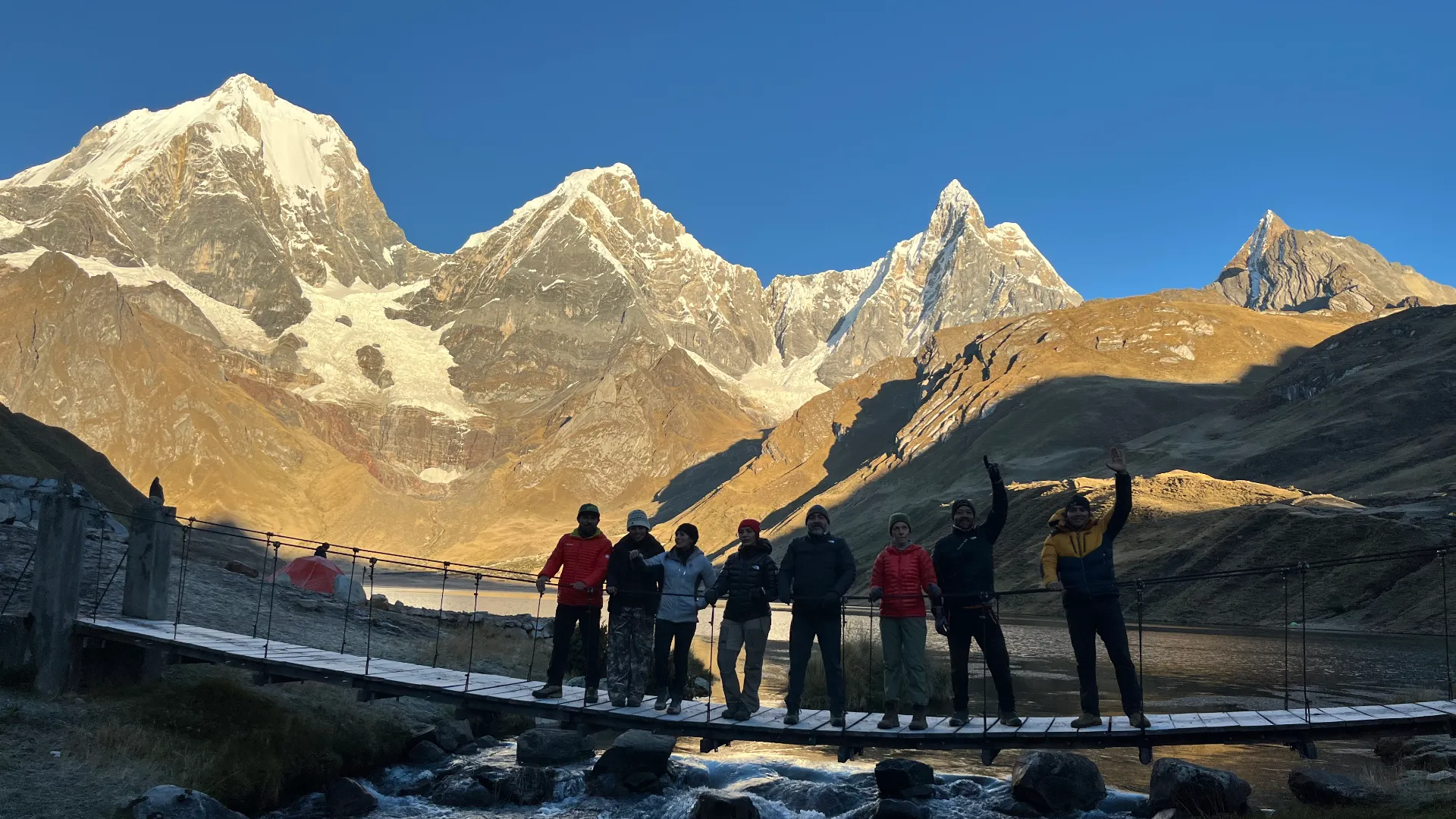
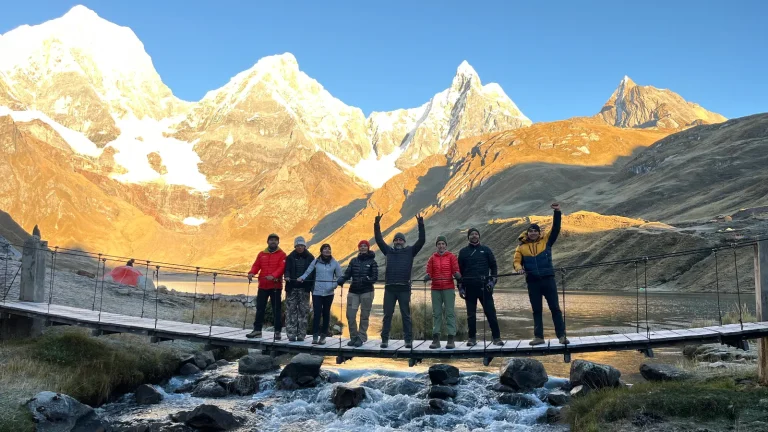
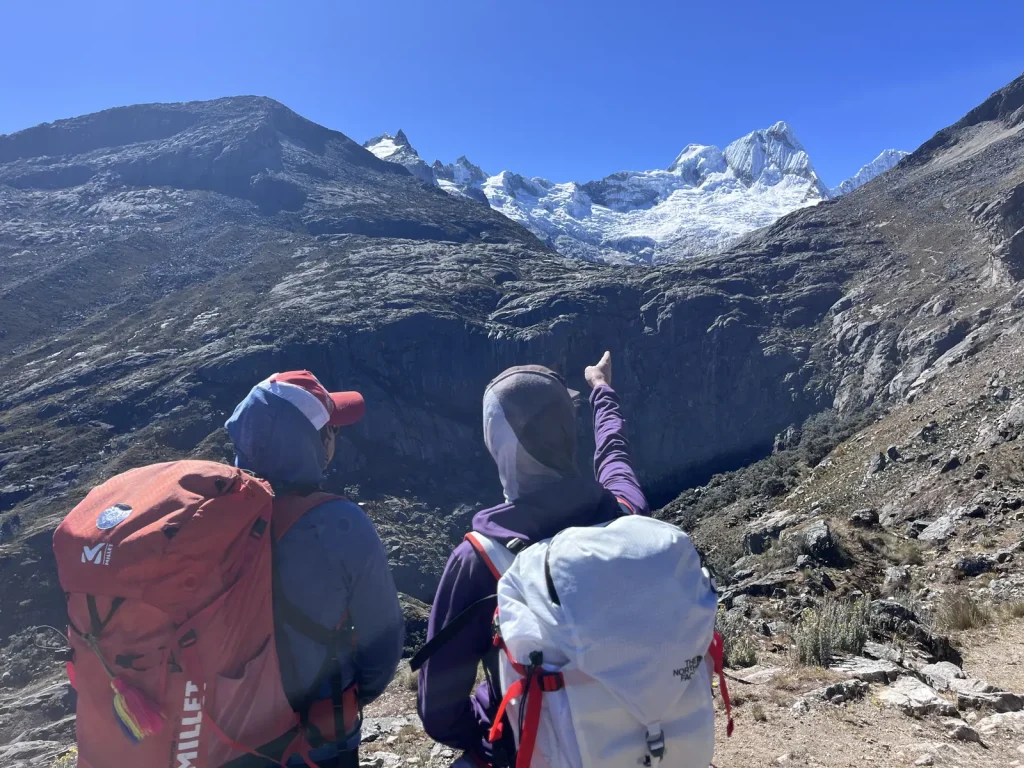
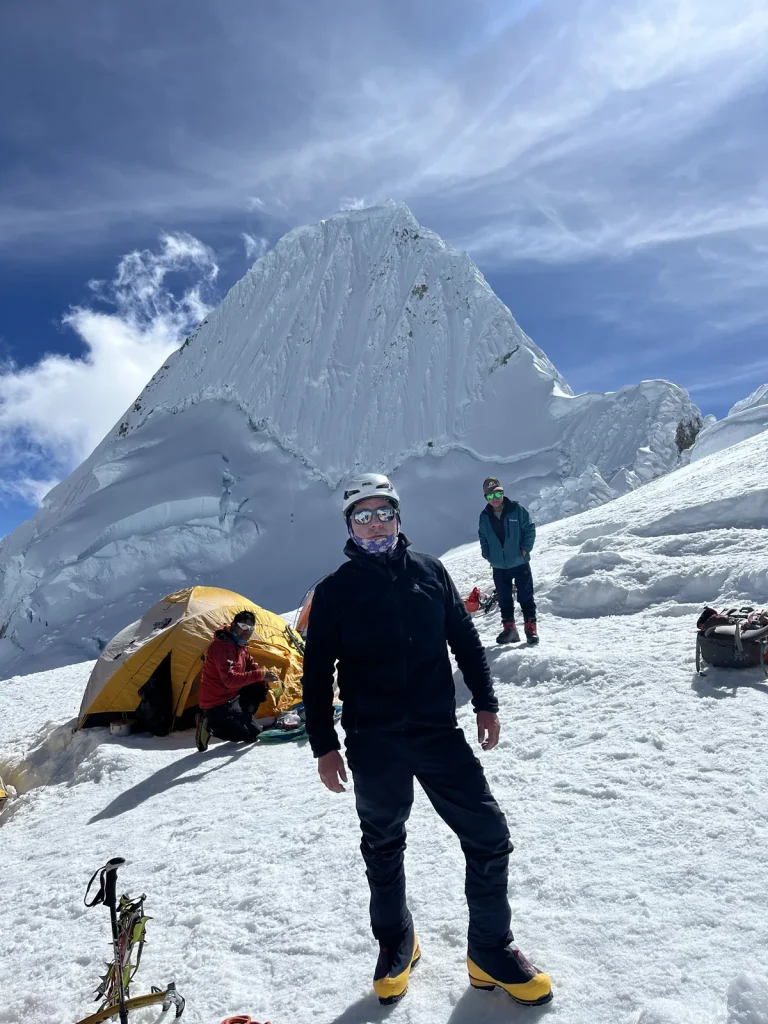
As we approach camp, one of the most spectacular views of the expedition appears: the perfect pyramidal face of Alpamayo, together with Tayapampa and Jancarurish.
This is one of the iconic moments of the traverse.
-
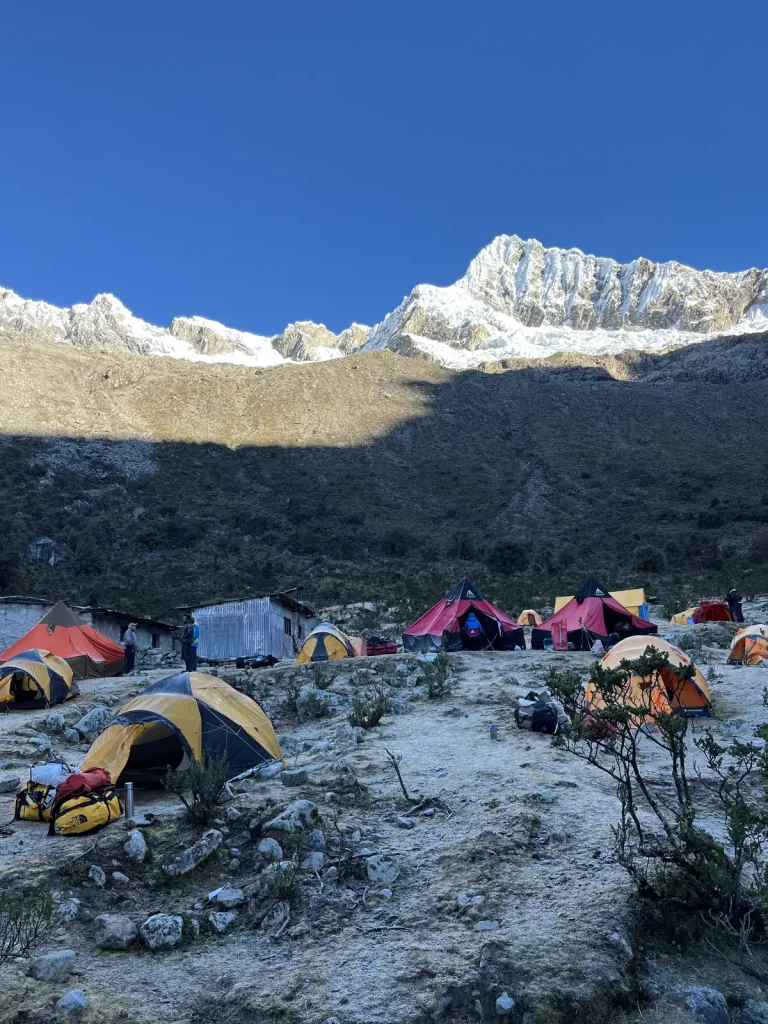
Day 04 Jancarurish – Alpamayo Base Camp
- Hiking
- 2–3 hours
Jancarurish – Base Camp (4,480 m)
A shorter day allows us to reach Alpamayo Base Camp without rushing.
After establishing camp, we review climbing equipment and practice or refresh essential rope skills, including knots and ascent/descent techniques.
This day also provides an opportunity to prepare physically and mentally for the high-mountain section of the expedition.
-
Day 05 Base Camp – Campo Morena
- Hiking
- 5–6 hours
Base Camp – Campo Morena (5,000 m)
After breakfast, we begin the ascent with our climbing equipment.
The route follows a steep and unstable moraine, including sections requiring basic climbing movement.
We continue toward a high viewpoint before descending approximately 100 meters toward Campo Morena, where we establish our high camp.
-
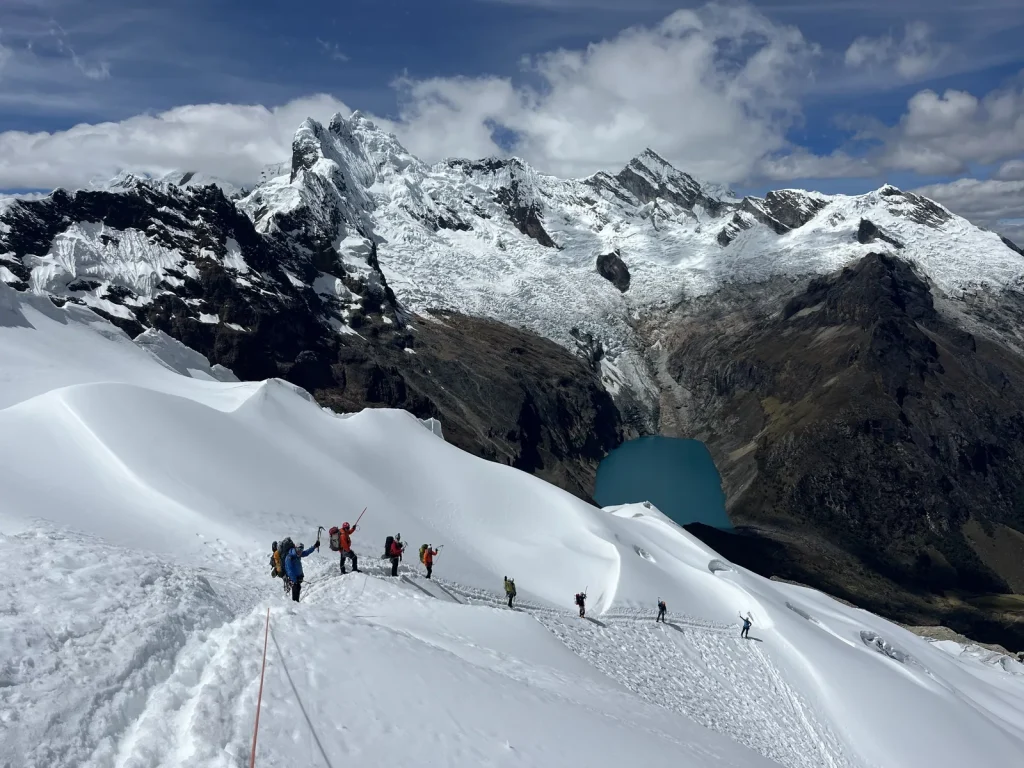
Day 06 Campo Morena – Alpamayo Camp 1
- Glacier travel and ascent
- 5–6 hours
Campo Morena – Alpamayo Camp 1 (5,400 m)
After breakfast, we ascend the steep moraine for approximately two hours before reaching the glacier.
Here we put on our technical glacier equipment and continue upward, overcoming small technical difficulties.
The route reaches the glacier area of Quitaraju before traversing toward Alpamayo Camp 1 at approximately 5,500 m.
This is a demanding high-altitude day and preparation for the summit attempt.
-
Day 07 Alpamayo Camp 1 – Summit – Camp 1
- Summit ascent and descent
- 9–12 hours
- Summit objective
- Alpamayo – 5,947 m
Camp 1 – Alpamayo Summit (5,947 m) – Camp 1
We leave at the agreed time for the summit attempt.
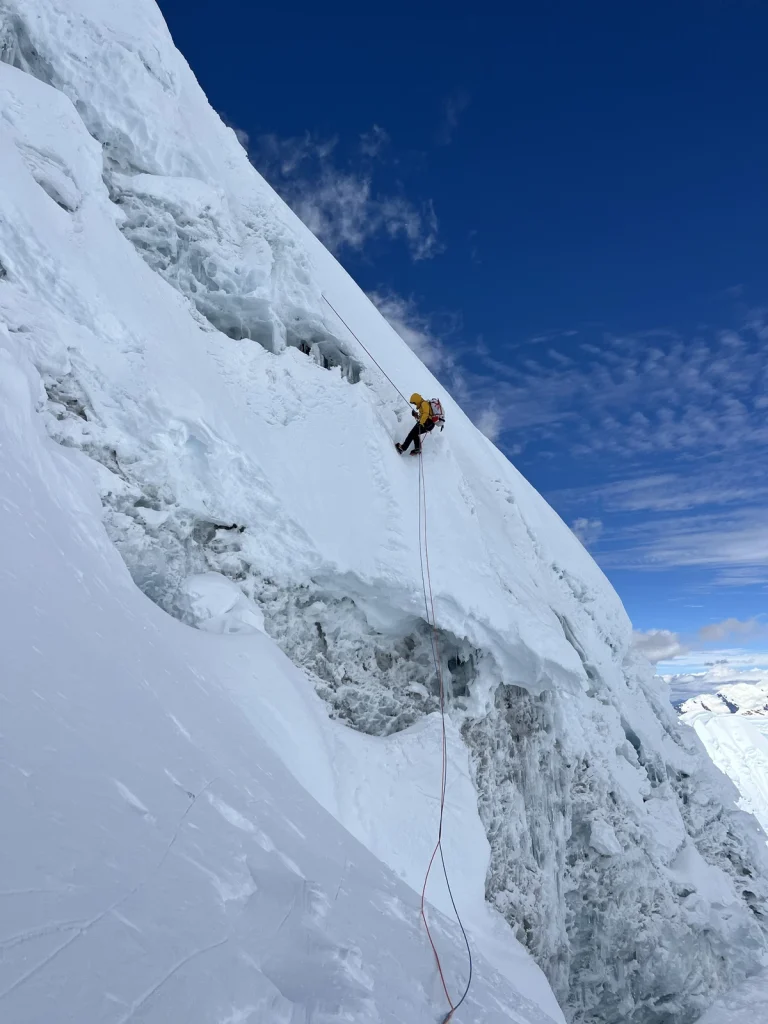
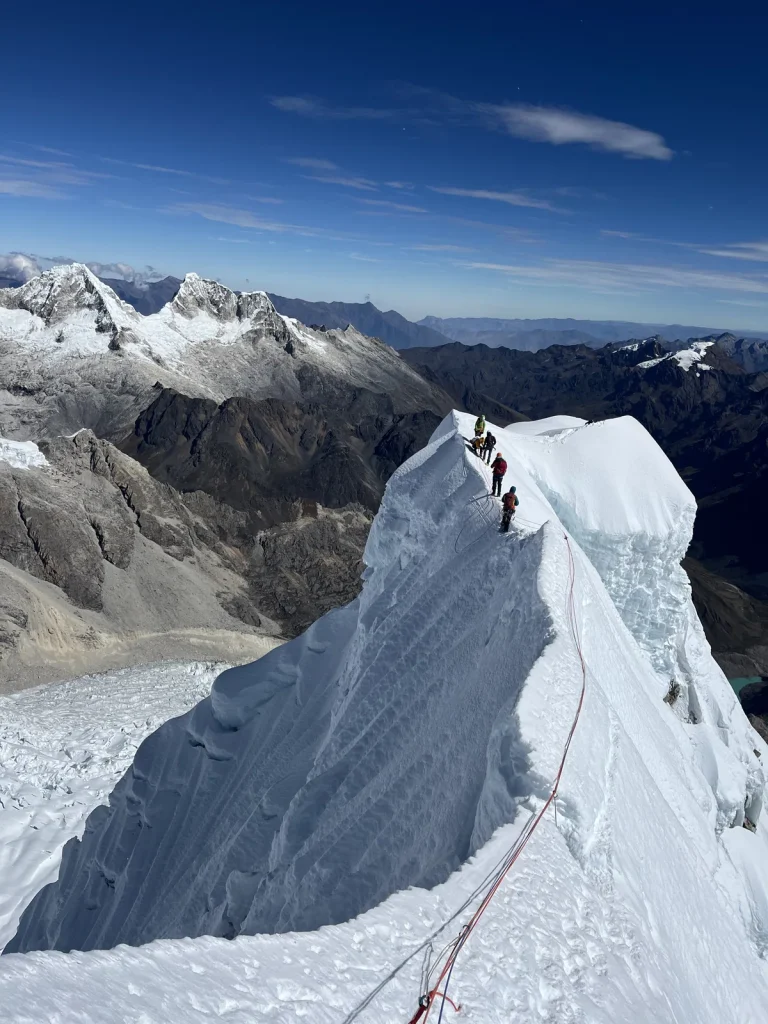
We approach the climbing wall and reach the lower part of the bergschrund before beginning the technical ascent.
The route presents steep climbing sections, with difficulties described in the original program of approximately 55°, 65°, 75° and up to 85°–90° in the final section.
After reaching the summit of Alpamayo – 5,947 m, we descend by the same climbing route back to Camp 1.
The summit attempt is always subject to mountain, weather, snow and ice conditions and the guide’s safety assessment.
-
Day 08 Camp 1 – Base Camp
- Descent
- 6–7 hours
Camp 1 – Base Camp (4,330 m)
We descend toward the col and begin the technical descent using rappels where required.
We continue across the glacier and descend toward the moraine, eventually reaching the lower base camp.
This is a recovery and descent day after the summit attempt.
-
Day 09 Base Camp – Cashapampa – Huaraz
- Hiking
- 7–8 hours
Base Camp – Arhuay Valley – Santa Cruz Valley – Cashapampa – Huaraz
We leave Base Camp and descend through the Arhuay Valley until reaching the main trail.
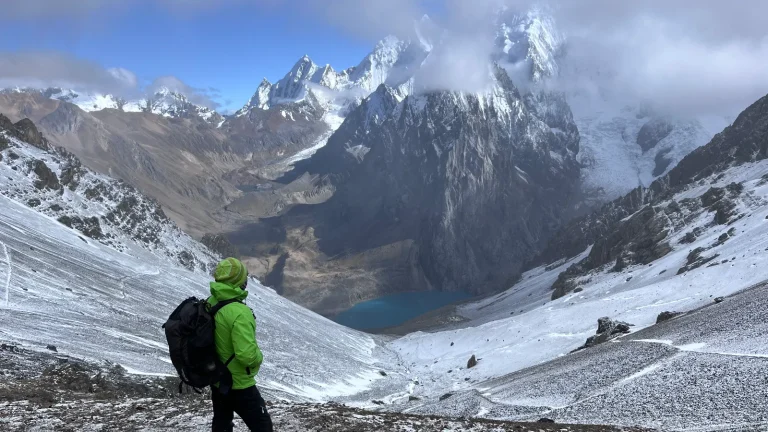
We then continue through the traditional Santa Cruz Valley, passing Jatuncocha (Grande Lake) and Ichiccocha (Small Lake).
As we descend, vegetation and trees become increasingly abundant.
The trail continues with zigzag sections toward the entrance of the valley and finally reaches Cashapampa, where our private transportation will be waiting.
We return to Huaraz, transfer to the hotel and conclude our services.
Price & group size
| Group size | Price per person |
|---|---|
| 1 person | US$ 6,400 |
| 2 people | US$ 3,880 |
| 3 people | US$ 3,560 |
| 4 people | US$ 3,350 |
One Complete Expedition Package
More than 4 clients: Please contact us for a personalized quotation.
The published prices are calculated according to the number of participants and include the expedition logistics described in this program.
Departure dates
Booking & payment
What's included
Professional Expedition Team
- Professional mountain guide certified by IFMGA/UIAGM/AGMP
- Professional expedition cook
- Kitchen assistant according to group size
- Muleteers and pack animals for the approach to Base Camp
- Porters according to expedition logistics and group size, supporting the high-mountain section after Base Camp with camping equipment, food and collective climbing equipment
Transportation & Logistics
- Private round-trip transportation Huaraz – Huaraz
- Transportation to the starting point and return from Cashapampa
- Muleteer and pack-animal logistics for the approach
- High-altitude logistics for the climbing section
Camping
- Dining and kitchen tent
- Tables and chairs
- Bathroom tent
- Two-person 4-season tent suitable for high camps up to approximately 6,000 m
- Complete expedition camping logistics
Food
- Full expedition meals throughout the trek
- Mountain breakfasts
- Lunch / served lunc/box lunch in the mountain
- Dinner
- Hot drinks
- Food adapted to the expedition and client requirements
Safety & Communication
- Oxygen cylinder
- Collective technical climbing equipment
- Satellite telephone
- Garmin inReach or equivalent communication device
- Basic first-aid kit
Not included
- Huascarán National Park entrance fee
- Personal drinks
- Meals in the city
- Accommodation in Huaraz
- Sleeping bag
- Sleeping mat
- Personal technical climbing equipment
- Personal accident / rescue / evacuation insurance
- Tips
- Personal expenses
- Any service not specifically mentioned as included
Optional services
Luggage allowance
What to bring
Head
- Warm hat / beanie suitable for use under a helmet
- Glacier sunglasses with 100% UV protection, suitable for mountaineering
- Additional sunglasses with UV protection
- Headlamp with spare batteries
- Sun hat or cap
Upper Body
Merino wool, polypropylene, Capilene or similar.
2–3 changes recommended.
Do not use cotton or cotton blends.
Fleece, Polartec, softshell or similar insulating layer.
Approximately 2 changes.
Waterproof, windproof and breathable hard-shell jacket such as Gore-Tex, eVent or similar.
Down or synthetic insulated jacket such as down, PrimaLoft or similar.
Additional fleece or Polartec vest.
Lower Body
- Lightweight liner socks
- Additional warm socks
- Long base-layer underwear
- Merino, polypropylene, Capilene or similar
- Second warm/polar layer if sensitive to cold
- Alpine / hard-shell waterproof and windproof pants
- Trekking pants / softshell pants
- Waterproof trekking shoes or boots for the approach
- Extra shoelaces
- Sandals or Crocs for camp
Hands
- Lightweight liner gloves
- Warm mountaineering / hard-shell gloves
- Waterproof and wind-resistant gloves
- Warm mittens if particularly sensitive to cold
Sleeping Equipment
- Sleeping bag, down or synthetic
- Recommended comfort rating: approximately -15°C to -20°C
- Personal sleeping mat, preferably inflatable or equivalent
- Optional blanket for additional warmth
Personal Technical Climbing Equipment
- 30–40 L backpack for summit day
- 55–60 L or larger backpack for personal equipment when required
- Mountaineering harness, preferably with adjustable leg loops
- 3 locking carabiners
- 3 non-locking carabiners
- Belay device such as ATC, Reverso, plate or equivalent
- 1 cord: approximately 2.5 m × 7 mm nylon / 5 mm Kevlar
- 1 cord: approximately 5 m × 7 mm nylon / 5 mm Kevlar
- 1 sewn sling: 120 cm
- Technical ice axe with hammer
- Technical ice axe with adze
- Mountaineering boots appropriate for the mountain
- Crampons suitable for technical or semi-technical terrain
- Crampons with anti-balling / anti-bot plates
- Mountaineering gaiters / overboots suitable for mountaineering boots
- Climbing helmet
- Personal tether / anchor system such as Daisy Chain, MultiChain or equivalent
- Personal first-aid kit and personal medications
Other Personal Equipment
- Water bottle: approximately 1–1.2 L
- Insulated thermos / bottle: approximately 1 L recommended
- Trekking poles
- Sunscreen SPF 30+ or higher
- Lip balm with sun protection
- Small knife / multitool – optional
- Camera – optional
- Binoculars – optional
- Power bank
- Solar charger – optional
Who is it for
Alpamayo is not an expedition for an absolute beginner.
It is designed for an active trekker or climber who:
- Can hike approximately 6–8 hours per day and tolerate longer summit days
- Has previous high-altitude experience
- Has experience with semi-technical and technical mountain objectives
- Is prepared for glacier travel and steep climbing
- Wants a genuine high-mountain expedition rather than a conventional trekking experience
- Is comfortable camping at high altitude
- Understands that summit success depends on mountain conditions and safety
The expedition requires good physical preparation, acclimatization, technical ability and the capacity to function in cold, wind and demanding high-altitude conditions.
Preparation & acclimatization
Because this expedition includes several nights above 5,000 m and technical climbing at high altitude, proper acclimatization is essential.
The original program recommends approximately 2 – 4 days of active acclimatization in Huaraz before beginning the expedition, with activities reaching approximately 4,500–4,800 m when appropriate.
Suitable acclimatization activities may include high-altitude hikes or an introductory mountain objective, according to the participant’s previous experience and the guide’s recommendation.
Participants should also be familiar with basic climbing and rope techniques.
Recommended preparation
- Cardiovascular and endurance training
- Strength and endurance for long mountain days
- Previous high-altitude trekking
- Previous experience on semi-technical or technical terrain
- Familiarity with climbing equipment and rope techniques
- Controlled breathing and acclimatization practices
- Good hydration and nutrition
Season
Important information
The expedition operates during the principal climbing season, generally June through August.
The final summit attempt depends on:
- Weather
- Glacier and snow conditions
- Route conditions
- Participant acclimatization
- Physical condition
- Technical ability
- Guide’s professional safety assessment
Summit success cannot be guaranteed. Safety always takes priority.
Peruvian Global Adventures works with professional local mountain staff and local communities throughout the expedition, combining technical mountain experience with local knowledge of the Cordillera Blanca.
Frequently asked questions
How long is the Alpamayo Climb – Traverse program, and what is its highest point?
The current PGA listing shows 9 days & 8 nights and a maximum altitude of 5,947 m / 19,511 ft. The displayed difficulty is Technical. Please check the itinerary on this page for the day-by-day schedule.
What is distinctive about the Alpamayo Climb – Traverse?
A longer Alpamayo program using the traverse objective.
What experience or preparation should I have?
Ask PGA to explain the traverse route and technical demands, and confirm the experience standard, acclimatization schedule, current conditions and full gear list.
What is included, and what should I bring?
The exact inclusions depend on the service level and departure shown on this page. Please ask PGA for the current written inclusions and packing list before booking. For a mountaineering program, confirm which personal and technical equipment is supplied and which items you must bring.
The PGA experience
Logistics
“Approach logistics to base camp are supported by local muleteers and pack animals.
From base camp to high camps, if the client wishes to travel as light as possible, hiring an extra porter is recommended to minimize carried weight and conserve energy for the summit.
This service can be coordinated prior to the trip, allowing participants to focus their energy on the ascent.”
Food
We provide hot, abundant expedition food designed for high-altitude activity.
Mountain Breakfast
Depending on the day’s requirements:
- Oatmeal
- Quinoa
- Pancakes
- Eggs / omelettes
- Bread
- Coffee
- Coca tea
- Hot chocolate
- Fresh juices
Lunch / Picnic
- Pasta or other energy-rich meals
- Fruit
- Cereal or chocolate bars
- Nuts and other high-energy snacks
Tea Time
Upon arrival at camp:
- Tea
- Coffee
- Hot drinks
- Popcorn
- Biscuits or similar energy snacks
Dinner
A complete expedition dinner may include:
- Soup
- Main course
- Peruvian mountain cuisine
- Pasta or quinoa-based meals
- Meat, chicken or trout according to the menu
- Dessert
- Hot drinks
Dietary requirements can be adapted when informed in advance, including vegetarian, vegan and other dietary restrictions.
Safety
Safety is an essential part of the expedition.
The expedition includes:
- Professional mountain guide
- Mountain first-aid support
- Basic first-aid kit
- Oxygen cylinder
- Satellite communication / inReach
- Emergency communication capability
- Group monitoring throughout the expedition
- Equipment checks before the technical section
- Daily assessment of weather, terrain and participant condition
- Coordination with local muleteers and porters
Mountain conditions can change rapidly. The guide may modify, postpone or suspend part of the itinerary when weather, snow, ice, altitude or other mountain conditions require it.
PGA Safety Principle
The summit is optional. Returning safely is mandatory.