
Trip facts
Why this trip
About the mountain
Huascarán South – a Mountain That Deserves Respect
Huascarán South is not simply another 6,000-meter mountain.
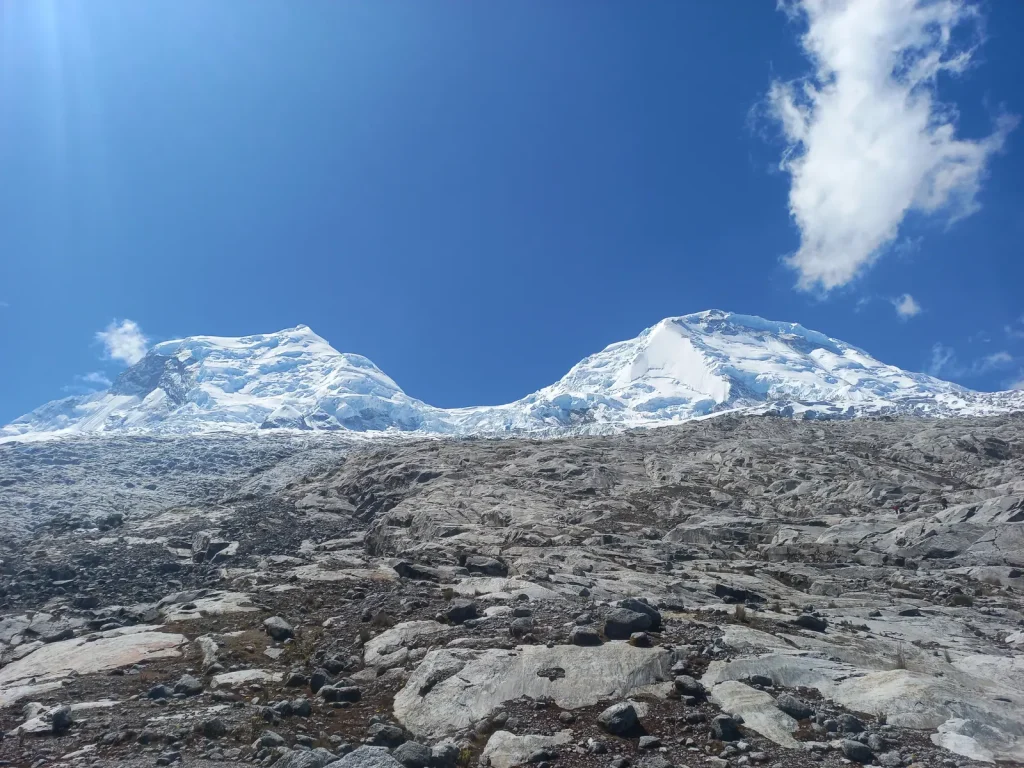
At 6,768 meters, Huascarán South is the highest summit in Peru and one of the most important mountaineering objectives in the Cordillera Blanca. It is also considered the highest tropical mountain in the world.
For the people of Áncash, Huascarán is more than a mountain. It is an Apu, a sacred and powerful presence that dominates the Cordillera Blanca and has been part of the identity of the Andean people for generations.
An expedition to Huascarán therefore requires much more than physical strength.
It requires:
Respect. Preparation. Experience. Patience. Technical ability. And good decision-making.
The conditions on Huascarán can change considerably from one year to another. Climate change is affecting the high mountains, and the glacier environment is increasingly dynamic.
Depending on the season and current conditions, climbers may encounter:
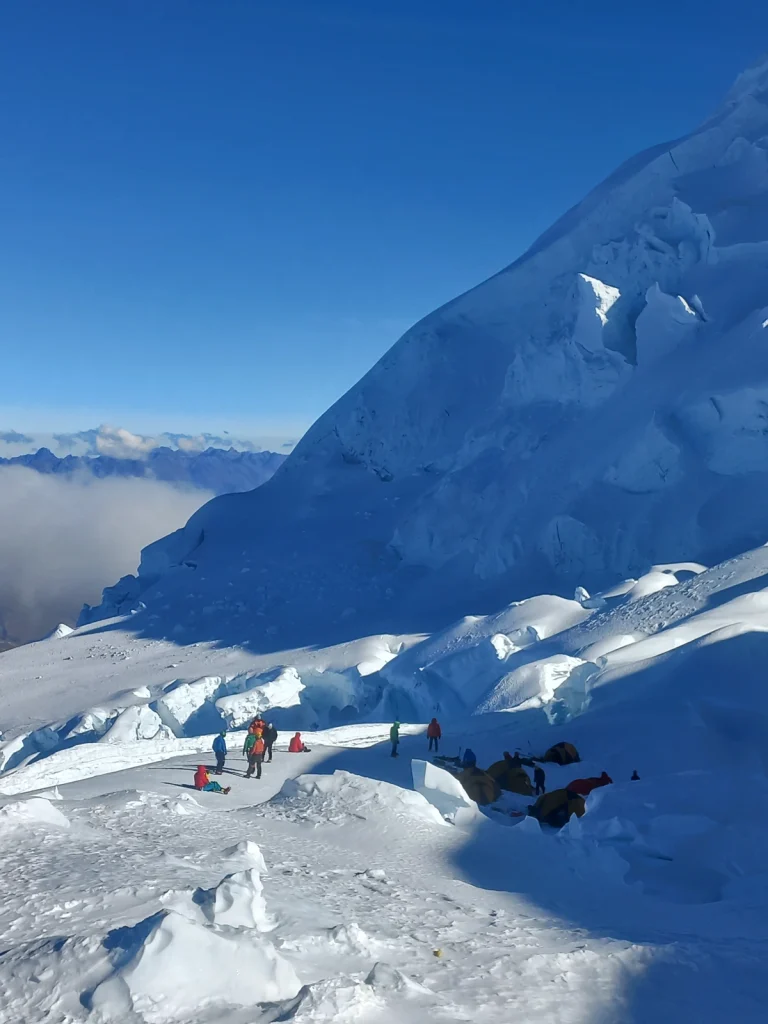
- Large crevasses
- Unstable seracs
- Hanging blocks of ice
- Steep snow and ice sections
- Avalanche-prone terrain
- Strong winds
- Very low temperatures
- Rapid weather changes
- Difficult glacier conditions
This is why at Peruvian Global Adventures we believe that clients deserve honest information.
We do not present Huascarán as an easy mountain simply to sell an expedition.
Our team has extensive experience in the Cordillera Blanca, including multiple Huascarán expeditions and numerous successful summits on technical and high-altitude mountains.
That experience allows us to evaluate the mountain based on its actual conditions rather than promising a summit regardless of circumstances.
If the mountain is in good condition and the team is properly prepared, we go for the summit.
If conditions are unsafe, we make the responsible decision.
Huascarán South – Technical Profile
Huascarán South is a serious high-altitude mountaineering objective.
The difficulty is not only the altitude.
The mountain combines:
- High-altitude glacier travel
- Crevasses
- Steep snow and ice
- Technical traverses
- Serac exposure
- Avalanche exposure
- Rapidly changing weather
- Strong winds
- Extreme cold
- Long summit days
The exact difficulty of the route can change significantly from one season to another.
A route that was relatively straightforward in one season can become substantially more technical in another.
For this reason, PGA does not promise a fixed route regardless of conditions.
The guide evaluates the mountain continuously.
What you'll experience
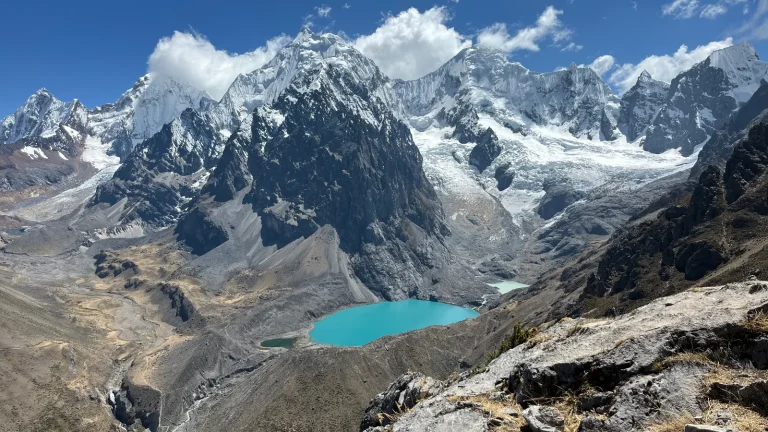
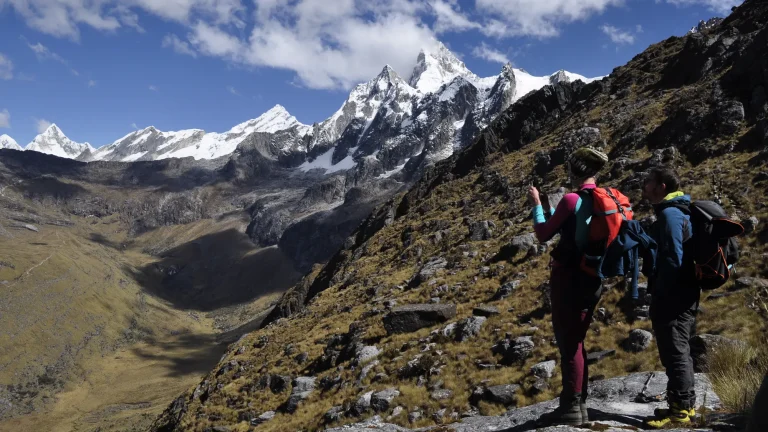
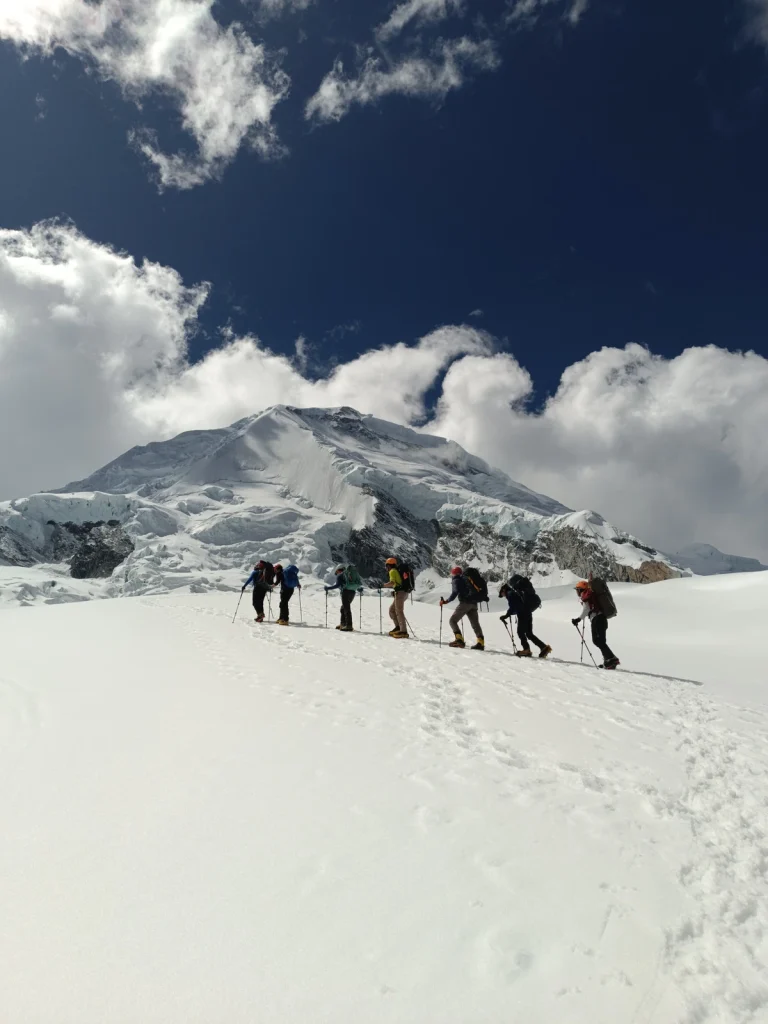
Huascarán offers one of the most spectacular high-altitude environments in the Andes.
During the approach, climbers can experience:
- Native Andean forests
- Queñual trees
- High mountain valleys
- The Callejón de Huaylas
- Cordillera Negra
- Cordillera Blanca
- Glaciers
- Snow-covered peaks
- High-altitude landscapes
As we climb higher, the environment becomes increasingly alpine.
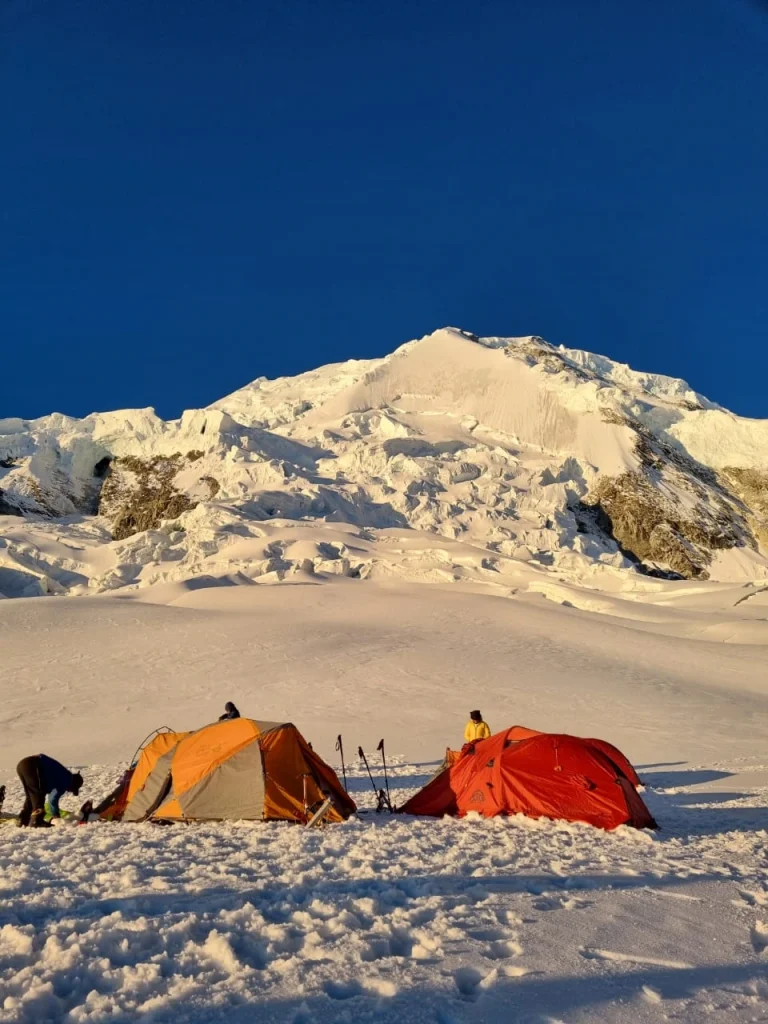
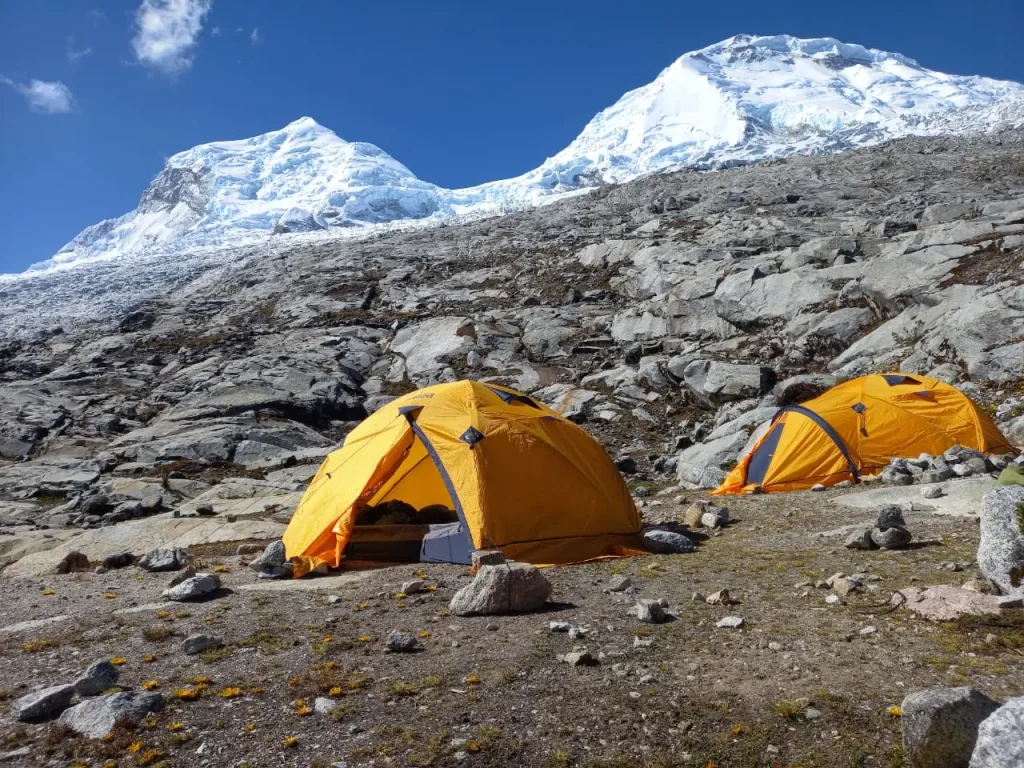
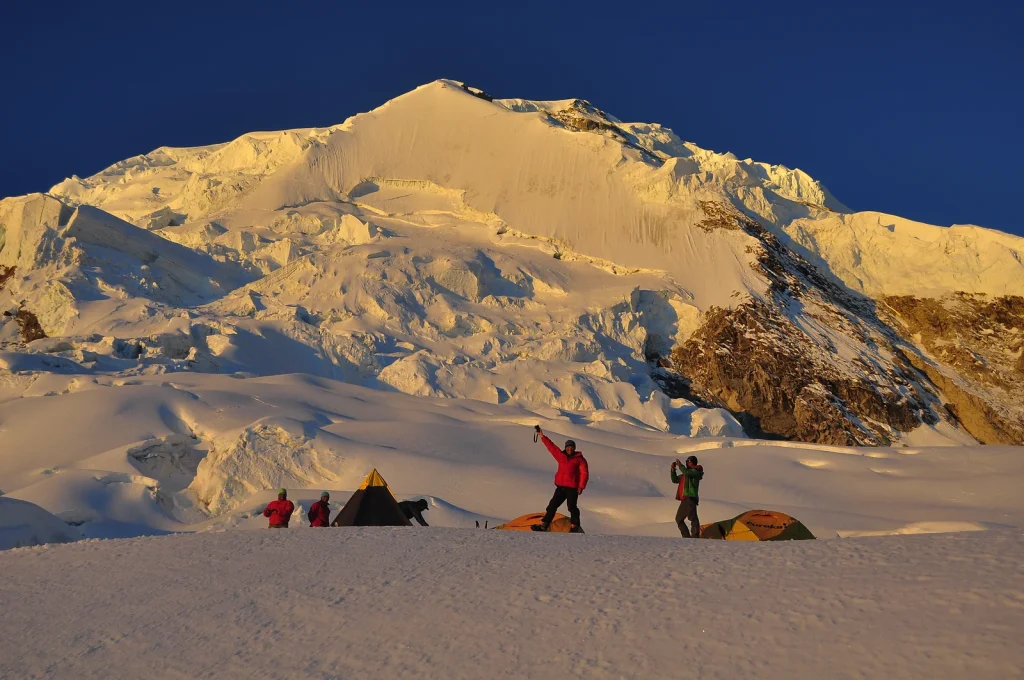
At Camp 1 and Camp 2, the landscape changes completely.
Rock, snow, ice and glaciers dominate the environment.
At night, far from city lights, the high camps can offer spectacular views of the stars and the Milky Way.
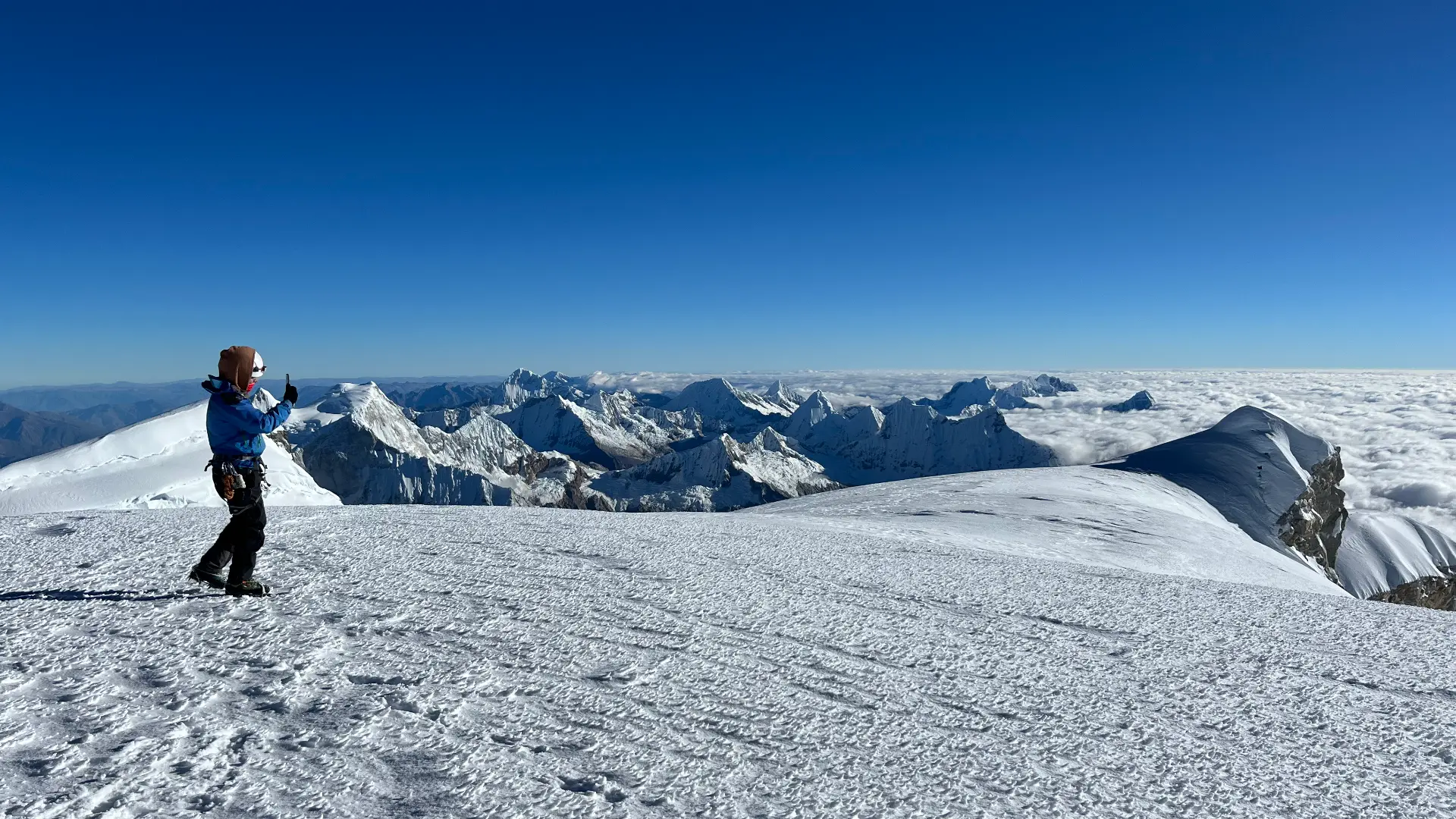
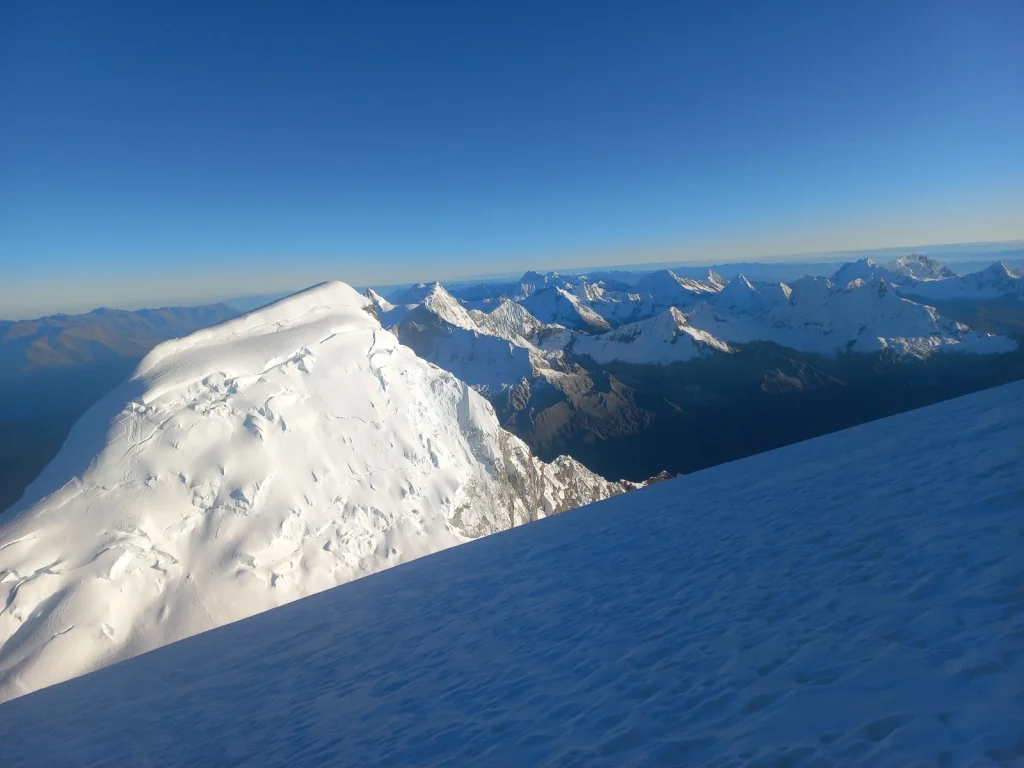
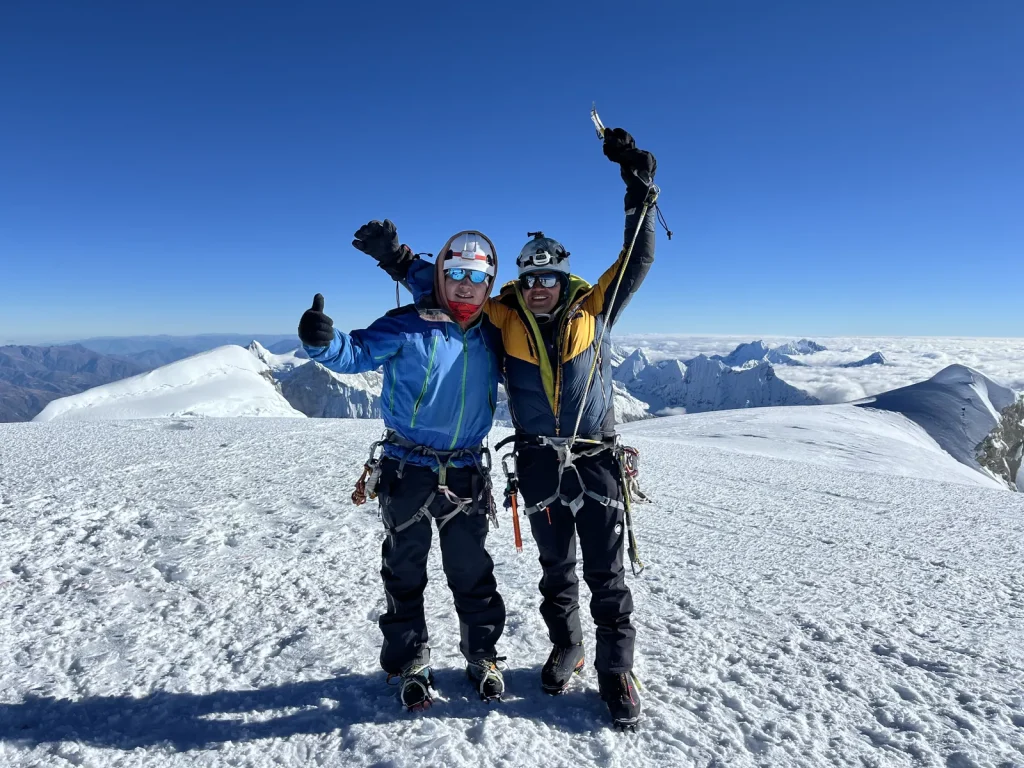
And from the summit, weather permitting, the panorama extends across the Cordillera Blanca and the surrounding Andes.
Photo gallery
1 / 8